
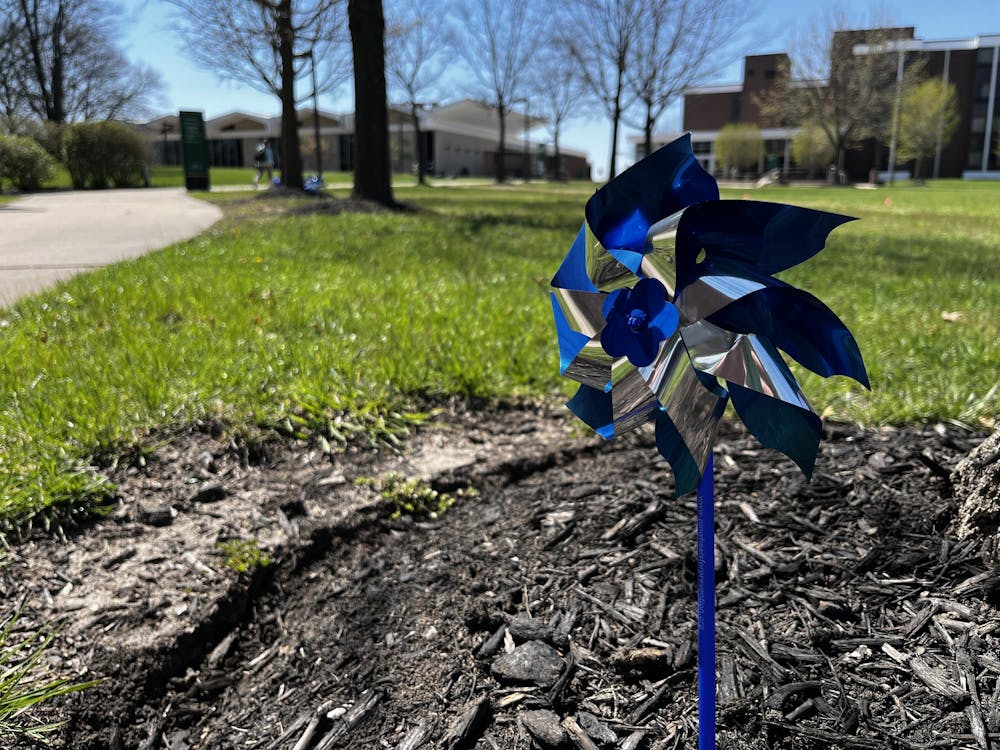
April is Child Abuse Prevention (CAP) Month. This month aims to prevent and bring awareness to child abuse and neglect. Many organizations, both on and off campus, are hosting events and opportunities to shine a light on prevention.
About CAP
CAP Month is held in the month of April. During this time, many organizations like Prevent Child Abuse America (PCAA), the Dayton CARE House, For Love of Children (FLOC) and others come together for one common goal: bringing awareness to child abuse, so that it can be prevented.
Child abuse comes in many different forms. Children can be physically, sexually or emotionally abused as well as neglected. Growing up with these negative conditions is referred to as Adverse Childhood Experiences (ACEs).
When this trauma is prolonged, it negatively impacts the child’s brain development, causing harm to the child while growing up as well as in their future. It is essential to stop the abuse before it happens.
PCAA
PCAA is an organization currently active in 38 states. Their main goal is to end child abuse through prevention. One of their key strategies for reaching this goal is Healthy Families America, a free home-visiting program for families in need.
Senior communications manager at PCAA, Irmes Dagba-Craven, shared some ways the organization functions.
“With over 600 sites across the country, HFA provides trusted support to parents and caregivers— from pregnancy through early childhood— offering parenting resources, mental health referrals and connection to community services. This direct support is a powerful way we help families thrive,” Dagba-Craven said.
For PCAA, the CAP month is of great importance. Dagba-Craven explained it is an opportunity to remind the community that preventing child abuse is a shared responsibility, not just one for professionals or those who have kids.
“Rather than waiting for harm to happen, we can strengthen families before a crisis occurs— by creating the kinds of environments where children and families can flourish,” Dagba-Craven said.
Support on campus
Support for CAP month is strong across the Wright State University (WSU) community, particularly within the school’s College Panhellenic sororities.
Kappa Delta is an example of this. With PCAA as one of their philanthropies, the chapter takes this month very seriously.
Emma Bemis, the former Vice President of Events and Programming, planned a variety of events in April for her chapter and the general public to support CAP month.
“The more people that are behind supporting child abuse prevention, the more children we are keeping safe, “ Bemis said.
Kappa Delta is not the only sorority working to raise awareness for child abuse prevention. One of Alpha Xi Delta's philanthropies is FLOC, an organization that strives to give every child an opportunity to succeed within their schooling.
While working with FLOC, Alpha Xi Delta’s former chapter president, Lacey Hamrick, has learned a lot about how to support children in bad situations and recognize when they are happening.
“You have to really focus. It’s not always the loud ones who act up that are being abused, but also the quiet ones,” Hamrick said.
Hamrick's sorority is holding their annual philanthropy event, Roller Disco, on April 10. The proceeds of the event will be donated to FLOC.
“No matter what, anyone can help protect a child,” Hamrick said.
To show your support of CAP month, you can paint pinwheels blue and put them in your yard. You can also wear blue throughout the month of April, specifically on April 8. Post on social media using the hashtags #CAPMonth2026 and #PoweredByHope, and tag PCAA at @PCAAmerica.
“It's important to approach any concern with empathy and take action if you suspect abuse— by reporting it to your local child protective services or law enforcement agency,” Dagba-Craven said.
For hands-on help, you can volunteer with FLOC or donate to PCAA.
“Child abuse prevention is not just bringing awareness to the fact that it happens; it is learning, acknowledging the signs and speaking up that come with child abuse prevention and how we can keep children safe moving forward,” Bemis said.


