
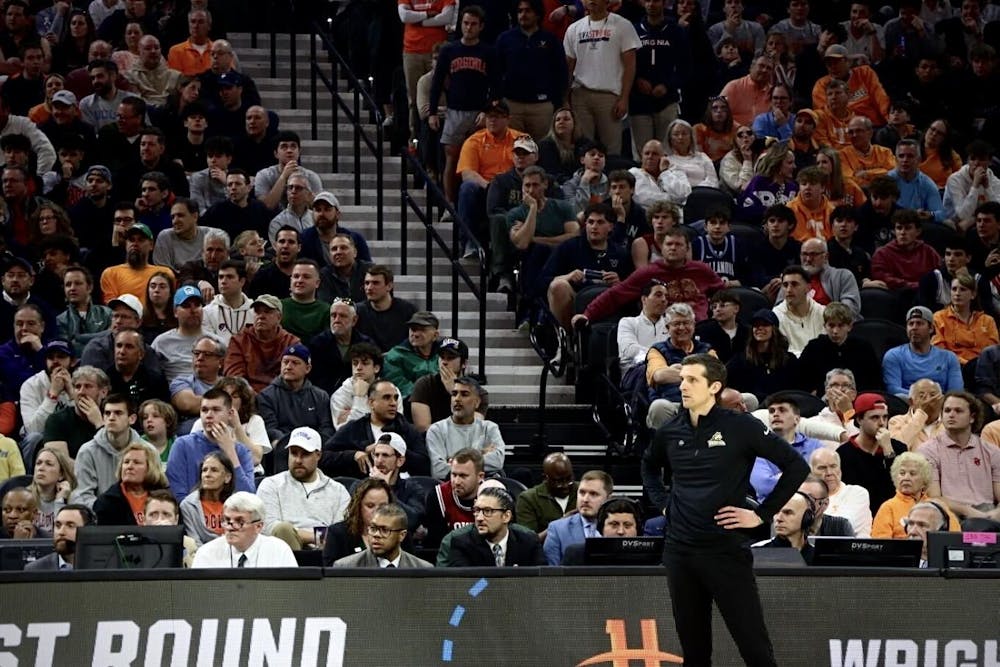
Wright State University (WSU) men's basketball head coach, Clint Sargent, has been discussed on campus due to his leadership in the team’s successful season, which led to a seat in the first round of the NCAA March Madness. Despite the team’s loss, Coach Sargent has made history with the team, so The Guardian took a peek inside his contract to determine how things work.
Coach Sargent’s history with WSU
Sargent began his stint with the WSU Raider men’s basketball team in 2016 when he joined as an associate coach. He worked with the coaching staff for years until his promotion to the position of WSU's 10th head coach in the team’s history on March 29, 2024.
Since his first 2016-2017 season, the Raiders have won a combined five Horizon League Championships, as well as several tournament wins. In his first season, the Raiders won a total of 11 games.
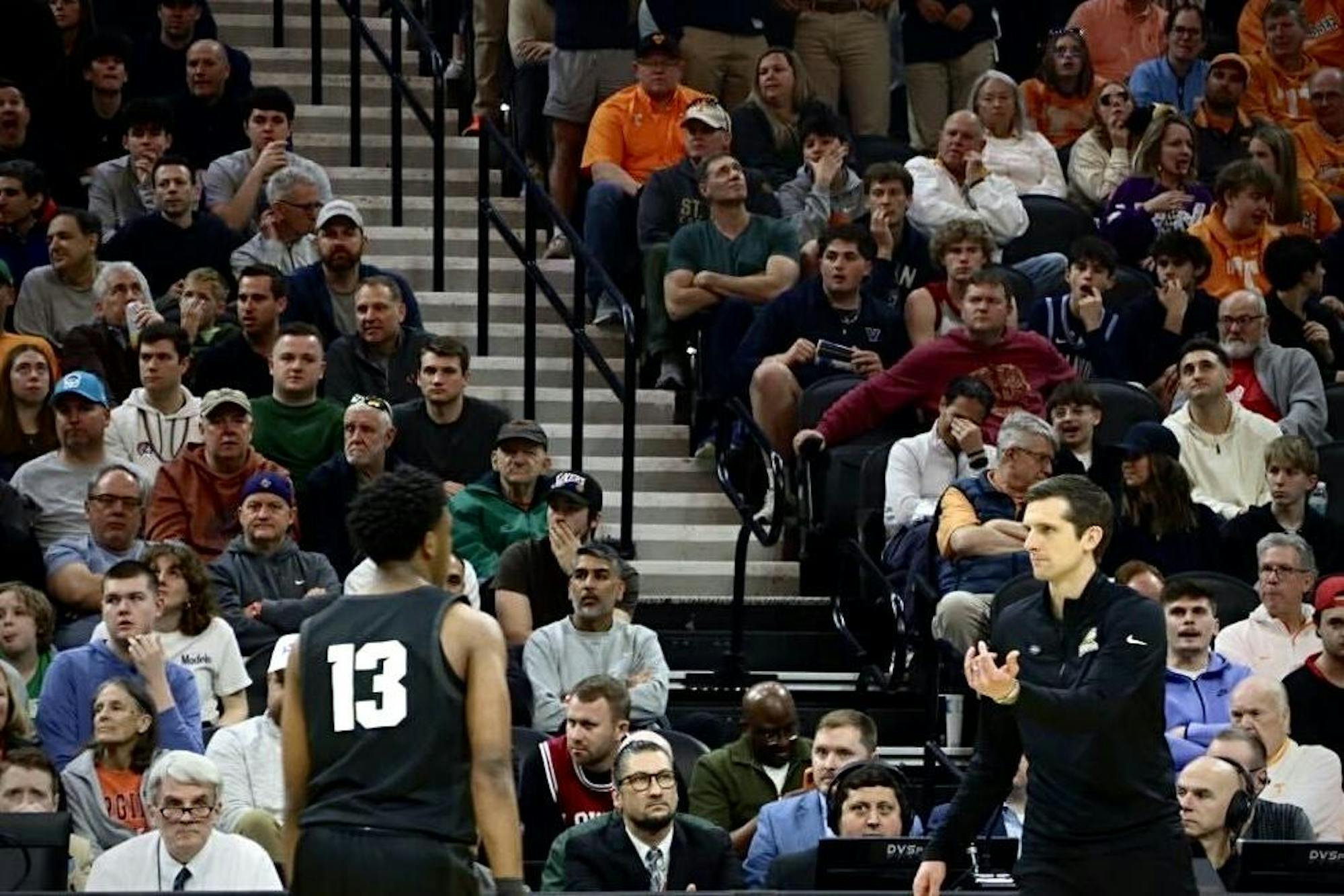
In 2026, the men’s basketball team clenched their spot in NCAA March Madness, playing against the University of Virginia in Philadelphia. While they lost, it was a close game, and was a historic achievement as the team had not been there since 2022.
At the time of his promotion, Director of Athletics, Joylynn Brown stated in a press conference that Sargent was the pinnacle of Raider values.
“Clint Sargent is everything we look for in our head coaches. His passion, his character and his excitement to lead our student athletes, along with his knowledge of our program and what it takes to win in the Horizon League, are all evident. Coach Sargent is an incredible individual, and there is no better role model for our student athletes," Brown said.
With flying reviews and the stellar record he has, he has a contract that also reflects his values.
A look into contract details
Many different aspects go into the coach's contract. He is required to be a mentor for his athletes, reports to athletic directors and can face potential punishment from the university and NCAA if he violates the rules. Additionally, he has clauses in the contract for terminations.
If he were terminated “without cause,” meaning for no wrongdoing on his part, he would be entitled to a severance package. If he were to be terminated "with cause," meaning that he has done wrong, he would not get a severance package. There are many reasons that Coach Sargent, as any employee, may be terminated “with cause.” Some causes include abuse and harassment, non-compliance with NCAA rules or athletic governing rules, legal issues, criminal charges, fraud, poor academic success of students and more.
Additionally, if Coach Sargent were to ever want to sue WSU, he would have to wait seven days to allow the university to respond and mediate the conversation. Overall, these are normal contract clauses.

An interesting aspect of Coach Sargent’s contract at first glance is the clauses that are strictly dedicated to the academic success of his athletes. Coach Sargent has three separate clauses that require him to monitor academic support. One of those is on page 21, item 4.3.3, stating that one responsibility is to ensure that students' GPAs are acceptable by NCAA standards.
"Creation and sustainment of a culture that promotes and rewards academic excellence. Personal and frequent encouragement and rewarding of substantial and sustained progress towards matriculation, attainment of GPAs in excess of the NCAA and University expectations, and maintenance of each student-athlete’s eligibility for competition and graduation,” section 4.3.3 of the contract reads.
Additionally, he receives a pay bonus of $5,000 if the entire team’s GPA maintains 3.0, and an additional $5,000 if the Academic Progress of the team is 985.
While the item about GPA is normal, as it is any coach's responsibility to make sure that their athletes are within NCAA standards, the bonuses are not ordinary.
Another thing that is of note is the compensation portion of the contract. According to the contract provided to The Guardian, Coach Sargent gets a base pay of $357,200 each year. He is also eligible for bonuses, including for performance, retention, and if the team gets to the NCAA tournaments. The NCAA bonus is $30,000, including an additional $10,000 following for every game the team wins in the tournament; before taxes, fees, withholdings and deductions.
Other non-monetary benefits include insurance and a membership to a country club of WSU’s choosing for him.
Students had mixed reactions about these numbers. The consensus from students like Mackenzie Albright is that while the number is high, it is understandable.
“Wow, that is more money than I’ll ever see,” Albright said. “I get it, [WSU] is a basketball school, so to speak. It makes sense that our basketball coach makes that much. [A] country club membership is crazy, though.”
WSU is a Division I NCAA team in the Horizon League conference. Coach Sargent makes the median amount of money for that division. Other competitors, like Cleveland State University coach Rob Summers, make roughly $335,000, approximately average. Comparatively, another Division I school, the Ohio State University, is part of the Big 10 conference and pays its coach $1 million.
Overall, Coach Sargent has been a strong asset to the success of Raider Nation, and his contract reflects that.


