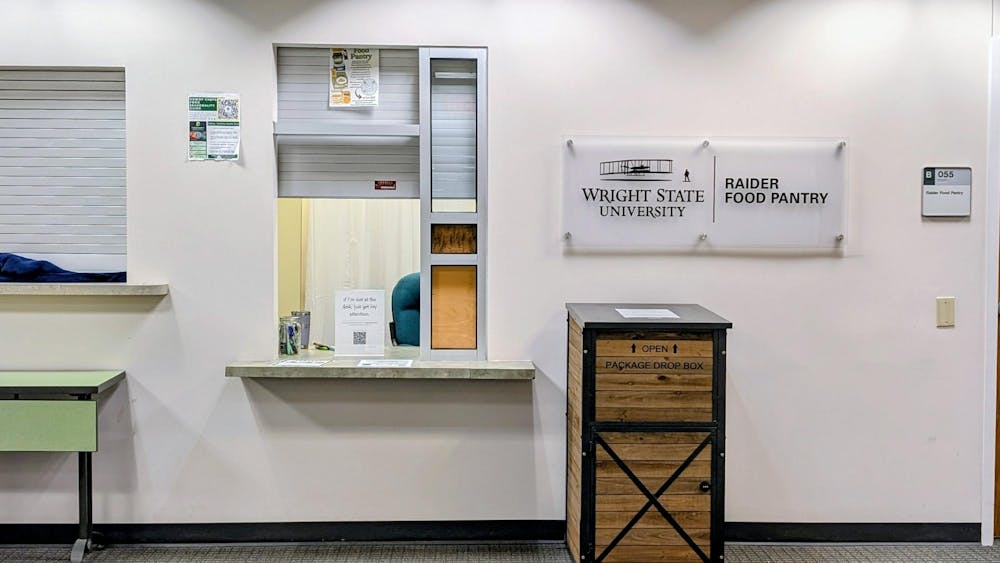
Almost a quarter of college students face food insecurity. Ohio’s Congress has proposed a bill that was introduced to create a grant for public Ohio universities to address this issue. Supporters say the bill is a good idea as it will help shape the state’s future leaders. As a public Ohio university, Wright State University would provide the benefits of this bill, helping any WSU students facing food insecurity.
Food insecurity on college campuses
The issue of food insecurity is complex with many factors that play into it. According to a report done by the US Government Accountability Office, 23% of college students face food insecurity. Of those, 53% qualify for the Supplemental Nutrition Assistance Program (SNAP), which is commonly known as food stamps.
These are real life issues that students face. If they cannot eat, they will not be able to complete work for their classes, meaning they will not be able to graduate. To curb this, campuses like WSU have their own in-house food pantries that were created to help make food insecurity less prevalent on their campuses.
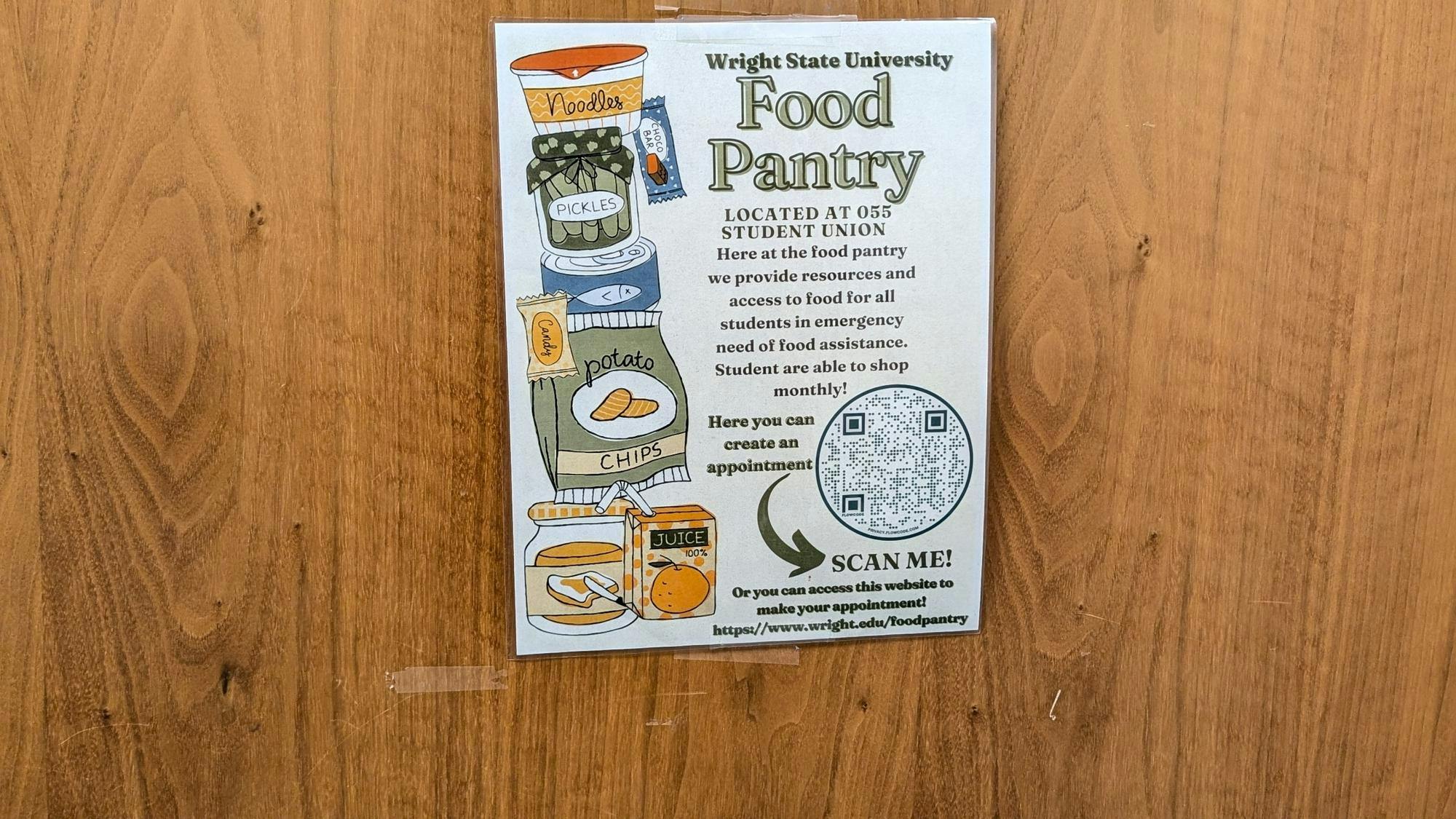
Raider Pantry, the WSU food pantry, serves the entire WSU population. The only requirements to use the food pantry are that you are actively taking classes at WSU. Their goal is to curb food insecurity on campus, thus making it a better place to learn.
“[WSU] is committed to achieving an intellectual, cultural and social environment on campus in which all are free to make their contribution. We will achieve an environment in which every individual may think, learn and grow without prejudice, intimidation and without discrimination. We will achieve an environment in which personal dignity and respect for the individual are recognized by all,” the website for Raider Pantry reads.
Students who have used the food pantry, such as one student who asked to be anonymous, claim that Raider Pantry has offered them a judgment-free environment to get food for themselves and help them succeed.
“There is such a stigma in reaching out for help,” the anonymous student said. “I have never been judged or mocked for needing to use the food pantry, and I appreciate that."
The introduced bill will help give money to local college food pantries like Raider Pantry to help keep them stocked. But in the meantime, those who would like to donate or is in need, visit the Raider Pantry website.
The bill
The introduced bill is a plan to stop food insecurity on campuses. The bill is a collaboration between the Ohio Association of Food Banks and Representatives Sean Patrick Brennan of Parma and Jim Hoops of Napoleon. This bill proposes a grant called “The Hunger-Free Campus Act” that is dedicated to giving funding to universities to establish food banks on campus, fund SNAP information and create an emergency grant for students who face certain hardships.
Sarah Kuhns, the external Affairs manager of the Ohio Association of Food Banks, claims that this is a good idea as it makes campuses see the need for these programs.
“The Hunger Free Campus Act would incentivize colleges and universities to establish basic needs programs, like an on-site food pantry or emergency assistance grant program as well as connecting students to resources,” Kuhns said.
“Throughout our network’s engagement on the issue of college student hunger, it has been clear that the approach has been patchwork, leading institutions to establish basic needs programs only if they have the connections, the will and the funds to do so.”
WSU Students like social work major Fred Almon reacted positively to the bill and encouraged it.
“The scary truth is everyone is one lost job away from the food pantry line. I love the idea of this bill because I don't think anyone should have to go hungry. It’s proven by Maslow’s Hierarchy of Needs that hunger is the first factor that will stop someone from learning. So I am all for it,” Almon said.
The bill was only introduced and has yet to make it through congress. Time will tell if it passes or not.