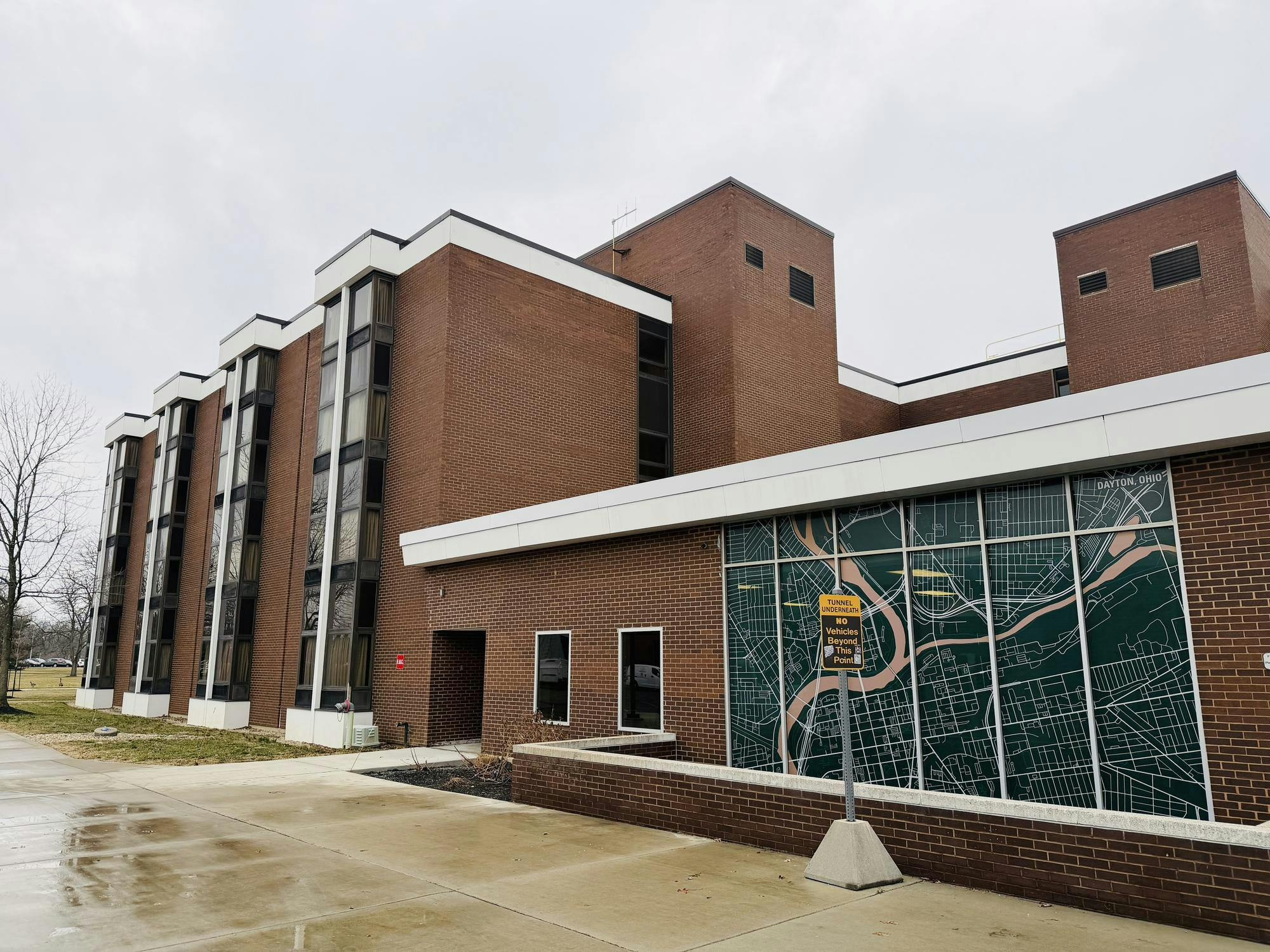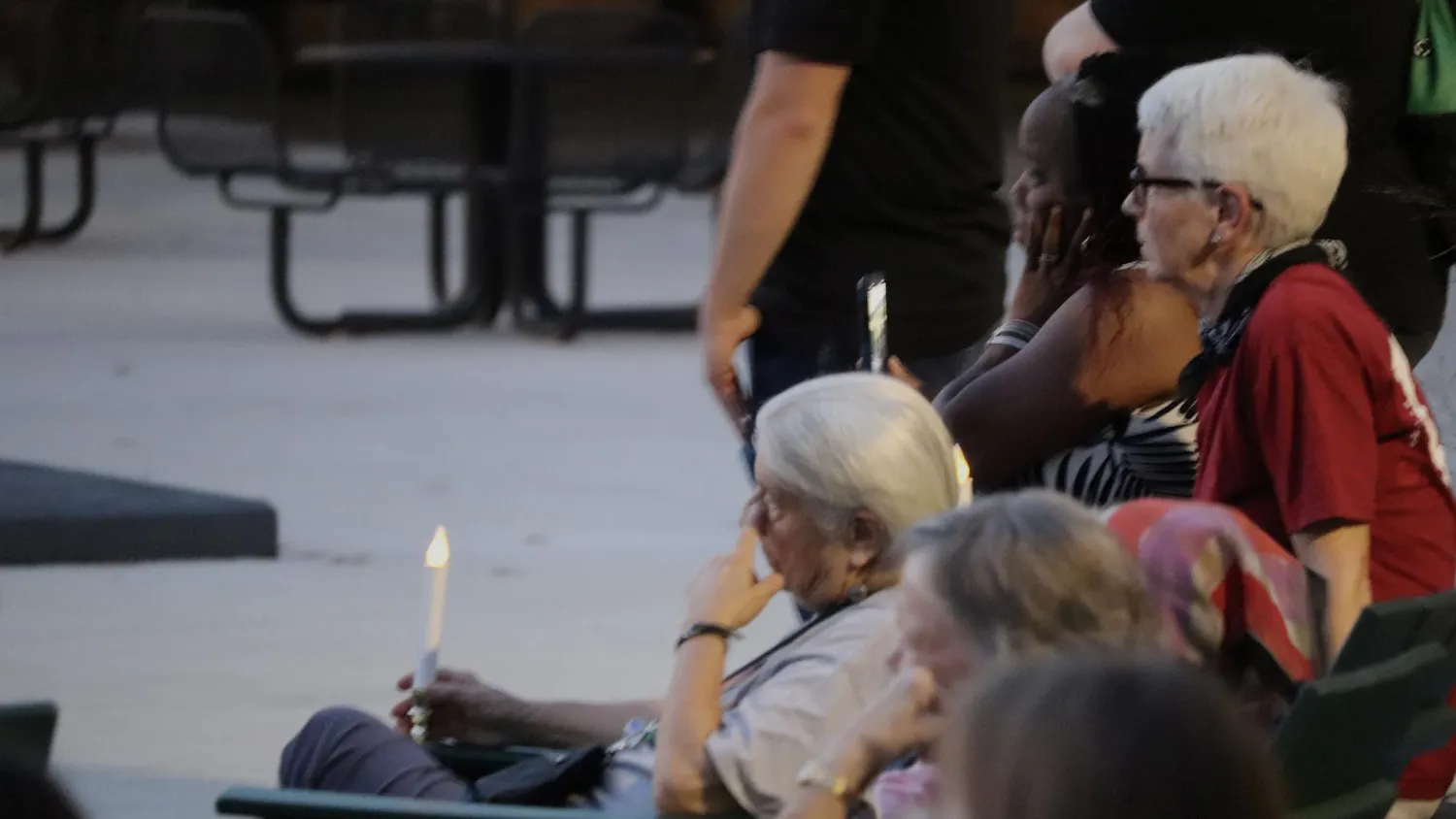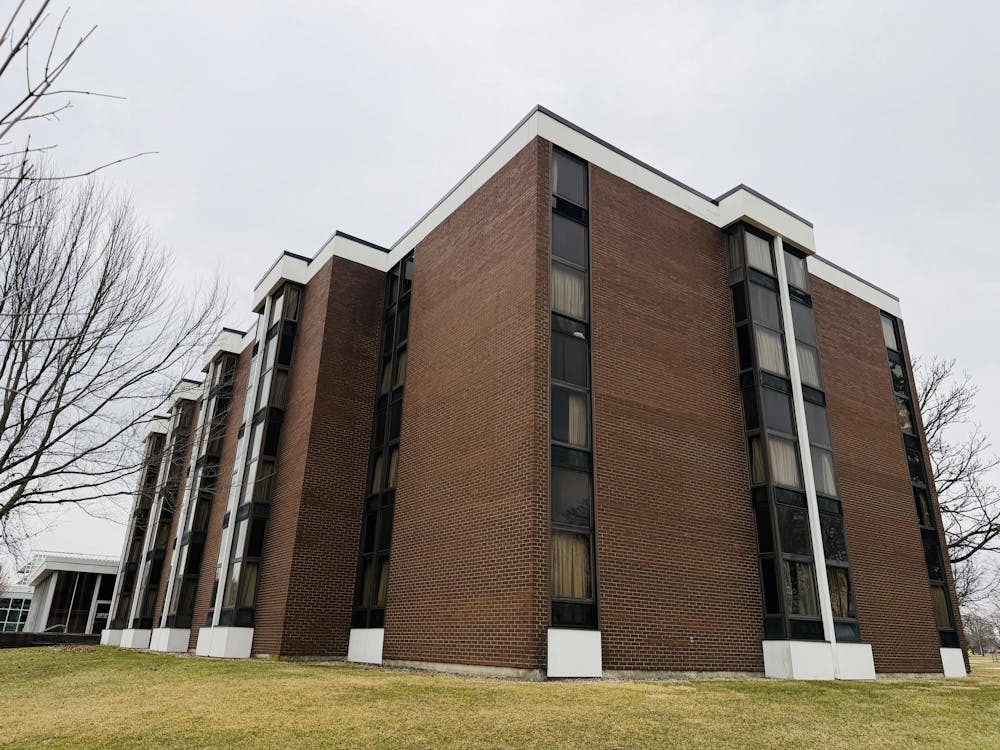
Housing prices continue to be on the rise and Wright State University (WSU) is not immune to it. Housing prices rose 0.05% on campus between the previous and current school years. This has an impact on where students choose to live during college.
Financial stress
Having to factor in the cost of living, in addition to tuition prices, can get expensive very fast. WSU has a large number of students who live off campus and commute.
This can be for a number of different reasons. Kayla Davenport, a senior social work major at WSU, has lived at home and commuted all four years of school, although she wishes she would have had the opportunity to live on campus.
“I live about 40 minutes away, and the only reason that I haven’t moved is because it is so expensive. It’s ridiculous because I am trying to be my own person, but it is unfortunately too expensive, so I continue to live under my parents' roof,” Davenport said.
An analysis written by Ashley Feucht, a writer for Moody's Commercial Real Estate Data Analysis website, talked about the issues for both students and others when it comes to housing prices.
"If these trends persist, rising vacancies could signal an oversupply of unaffordable housing in certain regions, potentially leading to financial challenges for developers and landlords. Addressing affordability is critical to maintaining a stable and accessible housing market for students, ensuring proximity to campus remains a viable option for most," Feucht said.
Educational factors
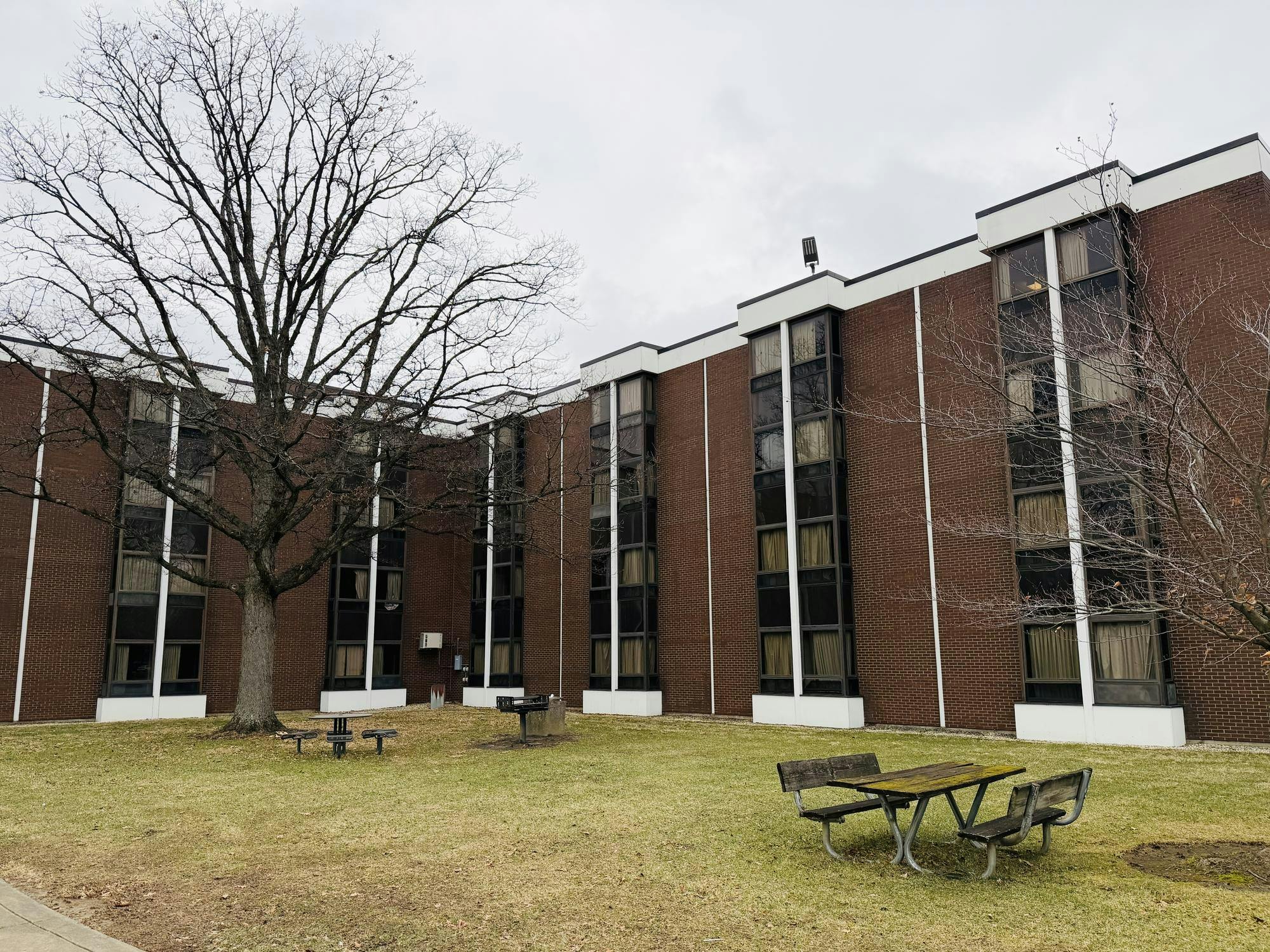
Many WSU students, especially those who live on campus, work some type of job while in school to help pay for living expenses. This takes away from time that could be spent working on schoolwork.
Carter Hudson, a senior communications major, talked about how the rise in housing prices, even at his off-campus apartment, has impacted his studies.
“So often to combat this financial struggle, I end up picking up more shifts at my job to just kind of ensure more financial stability, but this often derails my academics,” Hudson said. “It’s kind of this double-edged sword of you either are more financially stable so you can pay for the housing, or you’re less financially stable and more insecure about your housing but doing better on academics.”
According to the National Center for Education Statistics, 40% of full-time students work while in school, and 70% of part-time students work while in school.
College commuters also feel the financial strain of rising prices as the cost of getting to campus continues to increase. Even small daily expenses can quickly add up, making commuting to college more stressful and expensive.
“I never know if I’m going to have enough money to even drive myself to campus because it takes so much gas to go back and forth,” Davenport said. “I either have to choose between getting a full tank of gas or buying myself lunch that day.”
As housing prices continue to climb, WSU students are left navigating not only their academic futures, but also the growing financial struggles that come with earning a degree.