
On Sept. 30, 2025, a new Ohio driving law was implemented that will require drivers under 21 to take a driving course before they can receive a driver's license. It seems the reasons behind the laws are citizen-driven, though some drivers are conflicted on the matter.
The new law
On Sept. 30, 2025, the state of Ohio’s laws regarding driving school was changed. Under this new law, drivers who are under the age of 21 years are required to go through driving school before they are allowed to get their driver's license.
On top of this, prospective drivers will now be required to download an app to log 50 hours of driving before they are allowed to get on the road. Of those 50 hours, 10 of the hours need to be specifically done at night. According to the DMV website, this app will be able to give tips for driving and tell students where they need to improve.
Signed back in July as a part of a two-year Ohio budgeting plan, the idea of the law is to promote safe driving. Ohio Governor Mike DeWine claims that students who have gone through driving training school are less likely to get into crashes.
“We know that a driver is safer if they’ve had driver’s training,” DeWine said. “What is happening is a number of teenagers didn’t ever get driver’s training. We know inexperience is really the number one killer, [and] the number one cause of crashes.”
This bill is backed by data from the Ohio Traffic Safety Office. According to data, approximately 69% of fatal accidents in 2024 that involved teen drivers were at the fault of the teen driver. Additionally, 50% of these accidents were as a result of teenagers not properly knowing driving laws despite having their license.
With this new law, the goal is for these numbers to drop drastically. However, some drivers in this age range are upset about the new changes. citing concerns of driver's ed cost.
Potential drivers' reactions
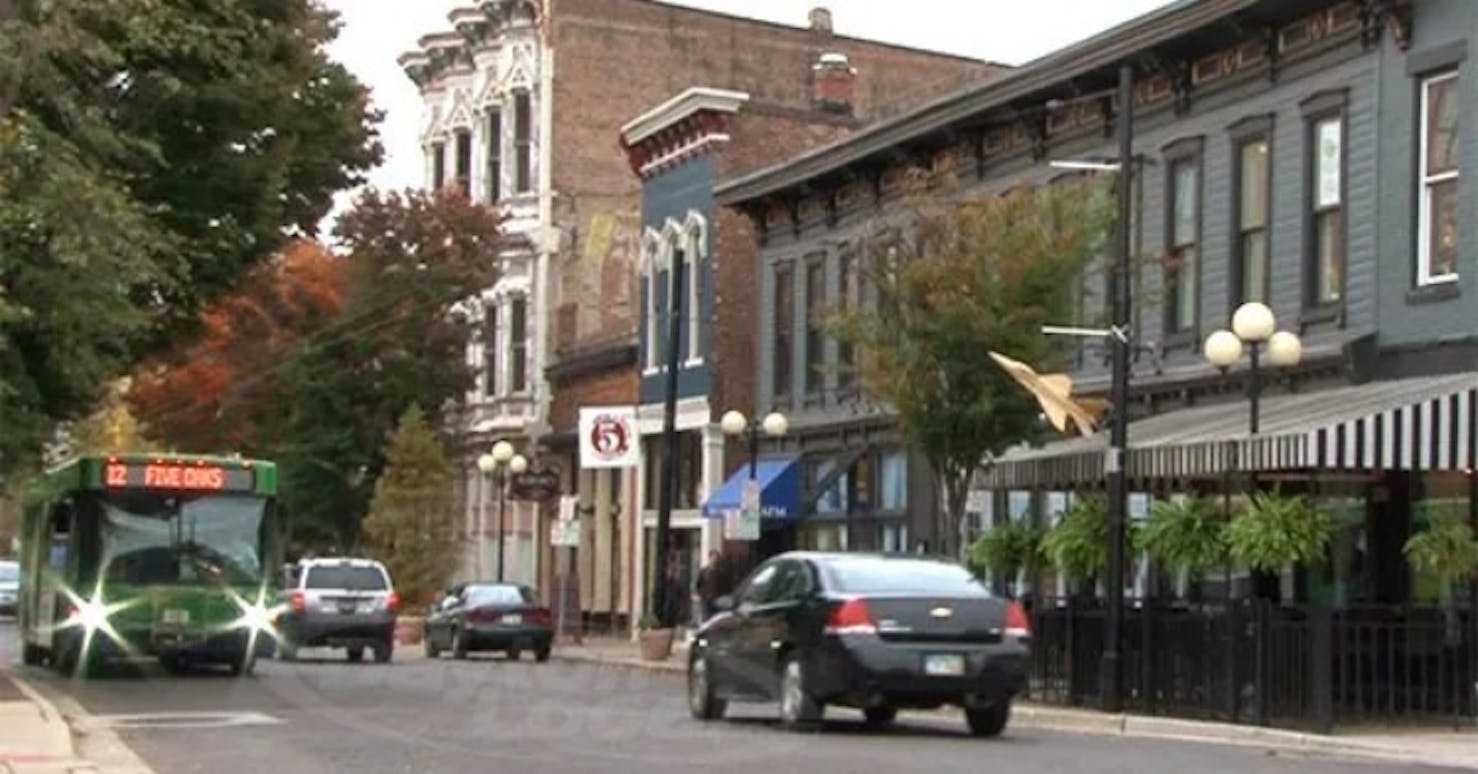
Many potential drivers under the age of 21 are very upset with the prospect of having to go through driving to school before they are able to drive legally. many are saying it is unfair, as the cost of driving school has increased throughout the years.
Blake Unich is an individual who is from the Mason area.
“I don't have almost $400 for driving school. So, am I just not allowed to drive?” Unich said. “It just feels really elitist to require kids to have to have driving school and then not offer any resources to pay for driving school. 18 years old means you're an adult legally; I have a job [and] bills to pay and [I] go to school. Now you're telling me I can't get a license and drive there because I’m broke? That would drastically help in my efforts of getting around, but I'm not allowed to have one.”
According to the Ohio Driving Academy, the average rate for a teen driving lesson is $400. This does not include any type of discounts that might be given. Additionally, for faster programs, it could get upwards of $700. This makes the idea of driving school seem impossible for drivers who may be of lower income.
However, Governor DeWine states that he is for Ohio schools offering driver's ed as a non-required elective.
“We think that driver’s ed in school makes sense. It is more convenient. We think that’s very, very important,” DeWine said.
Currently, it is not entirely clear as to whether this change will be made in Ohio schools following this law. Students who have taken driver's ed, say they feel safe having taken driver's ed in high school.
"I'd say it's a worthwhile investment," Bowels said. "I feel like I know what I'm doing on the road, it's not as overwhelming as it was trying to do it on my own. Also, I'm known in my friend group as the safest driver. Which is fun to rub in to be honest."
There is data to support that drivers who have been to driver's ed are safer drivers. According to a study published in the National Library of Medicine, drivers who go through driver's ed are more likely to be safer because they have had a comprehensive education on the rules of the road.
While some may think it is unfair, the facts are clear. This program should help fix Ohio's negative statistics regarding accidents. However, it is also clear that Ohio may need to come up with a way that would allow low-income families to be involved.