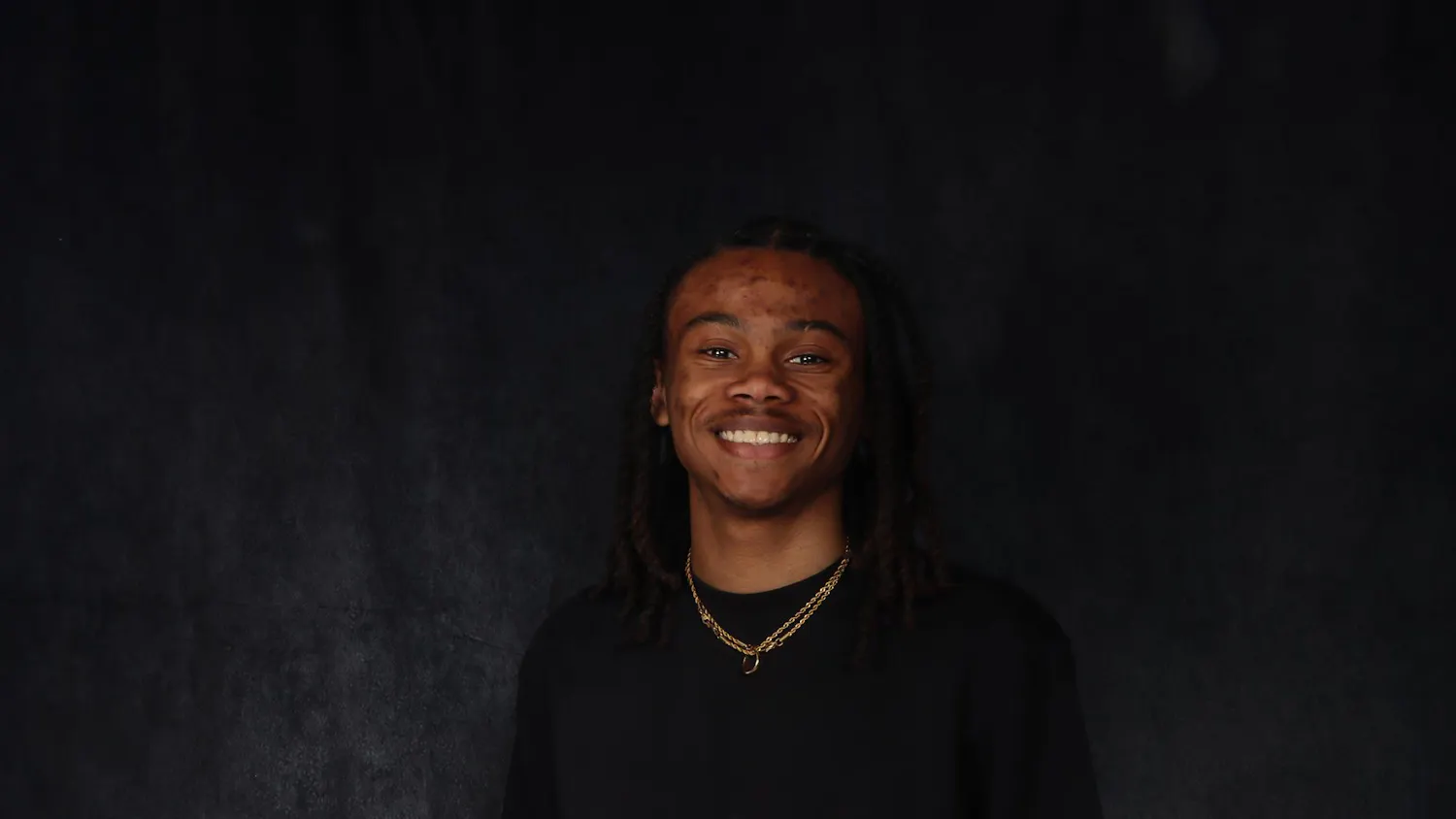
By Dillon Rosenlieb and Maggie Mann.
Contact: mann.110@wright.edu
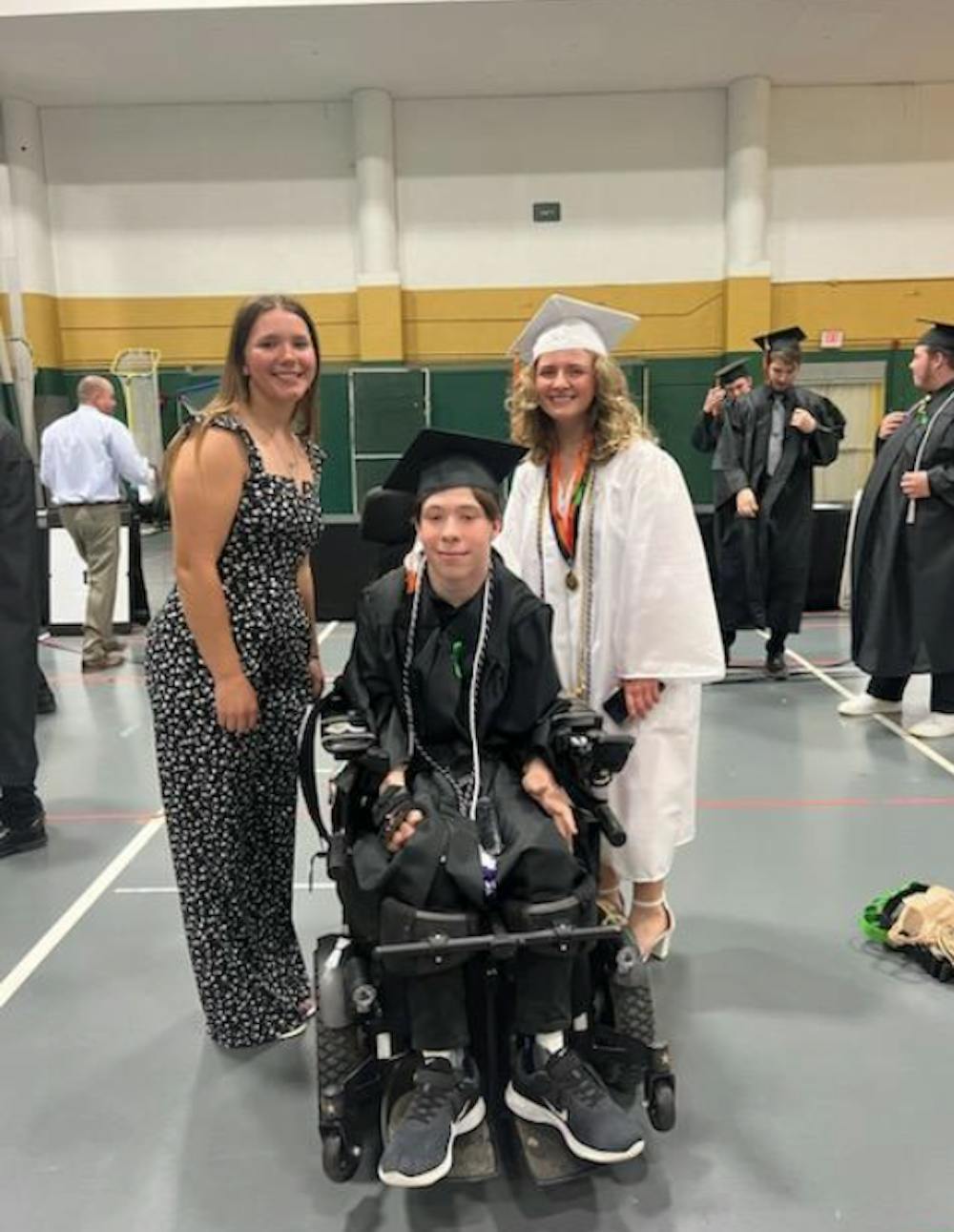
Four friends marched towards a once-in-a-lifetime opportunity, a dream of a home town kid walking across the stage at graduation with a little help from his friends. And for the one who could not be there— how they strived to honor a four-letter mantra that their friend left behind: LLRW.
Opening
Every kid has dreams, hopes and aspirations for the future. I never would have guessed mine would unfold in front of hundreds of people cheering me on at a place I admired as a child — the Nutter Center. Growing up, it was my personal playground, a stage for joy and excitement, from WWE events to monster truck jams and everything a kid could imagine.
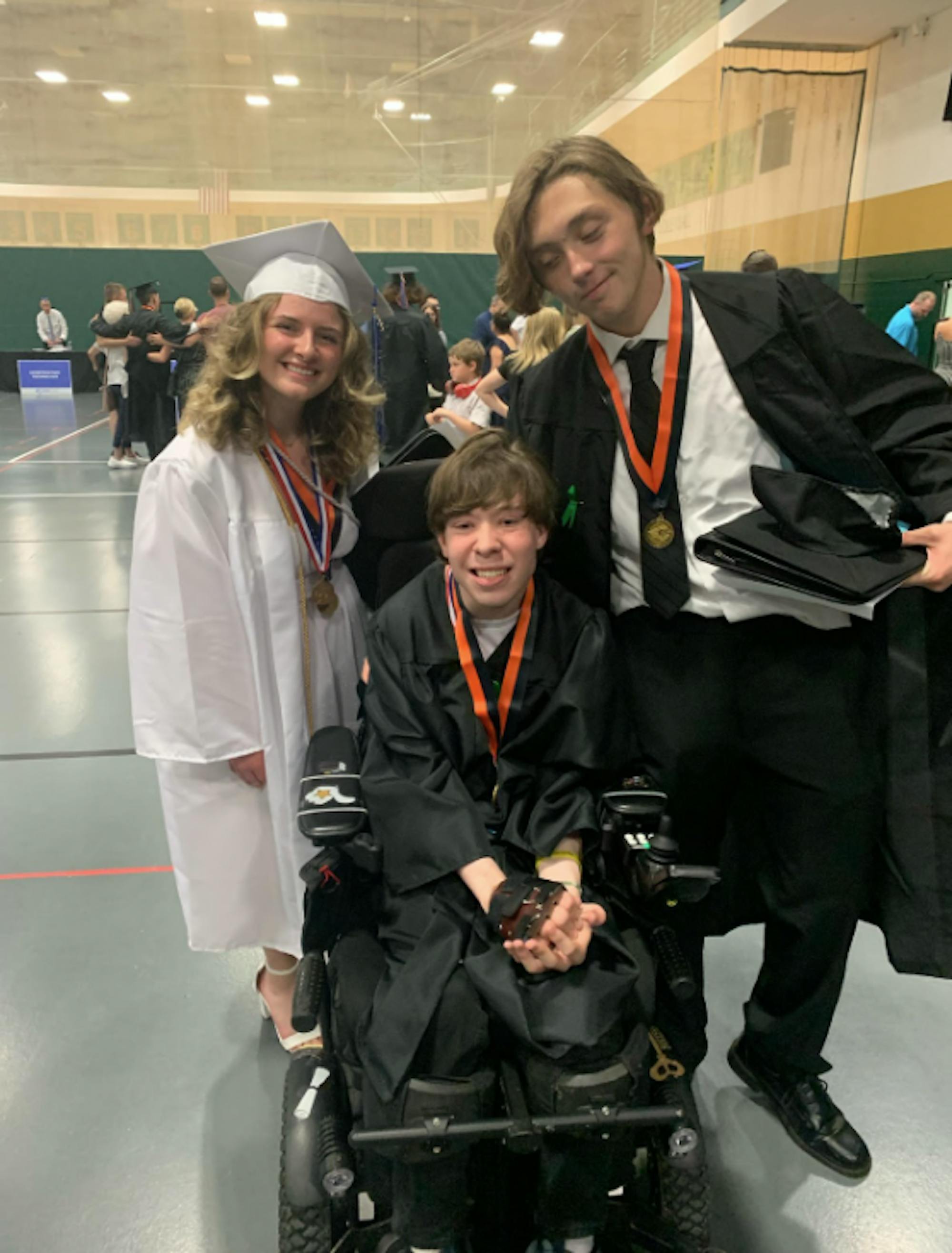
Years later, that same place became the epicenter of my wildest dream: walking across the stage at my high school graduation with my Three Amigos. With every step we took that night, the ripples grew deeper, echoing a promise that will never fade — "long live Reece White."
This story was written to show Raiders just how these dreams can be accomplished, right on your campus. Written in loving memory of Reece White.
Growing up in the lore of Raider Nation
Growing up in Ohio, there are a couple of fundamental truths: you are going to be a Buckeyes fan whether you like football or not, and you best not speak of "the team up north." But in my hometown of Beavercreek, there is a legacy that doesn’t draw as many eyes as the one in Columbus — a quieter, yet deeply rooted tradition of being a Wright State University Raider.
It is a tradition that runs through the fabric of my family. Both of my parents attended WSU — my mom worked full time to put us through school, and for my dad, college was his ticket into the real world, and he never looked back. I was accepted to WSU for the fall of 2023, eyeing the possibility of following in their footsteps. But instead, I made the bold choice to forge my own path — as a Ball State Cardinal.
Growing up as a disabled child with cerebral palsy, you learn early on that your chances of moving out of special education and into resource classes are not always in your favor — and that is not even factoring in the possibility of higher education. For most children with disabilities, the odds simply are not great. But I was the exception, not the rule. I got a chance to be more than just some kid locked away in a classroom. I was fortunate enough to attend a school with a deep, rich history of accessibility — some would argue the first of its kind.
Right in our backyard stood a campus with state-of-the-art tunnels to keep students out of the elements, an attendant care program to assist students with physical needs throughout the day, and a culture of inclusion. Letting that go by the wayside for some small town in Indiana — best known for being David Letterman’s alma mater — was not exactly an easy call.
I preface all of this because I know I am not a Raider. I chose a different path. But I have seen firsthand how this community rallies behind Raider basketball every season as they turn the page to a new chapter in the horizon league. In fact, my first experience with a disability-centered sport came from watching WSU wheelchair basketball.
I know I am a Cardinal — that is just the path I am on. But you can take the kid out of the town, and you cannot take the town out of the kid. I grew up just 15 minutes from campus. Many of my special education teachers were WSU alumni. I would not be where I am today without WSU. My exercise journey — and the moment it received a standing ovation — would not have happened without the Raiders who challenged how students with disabilities were treated, long before there was a roadmap like the Americans with Disabilities Act.
I may not have chosen the legacy my parents did, but that legacy has touched my life in more ways than one.
The countless late nights of physical therapy appointments, the sacrifices made by me and my parents — without those, I do not know if I would be where I am today. But those environments were always structured, controlled spaces. After I stopped going to physical therapy regularly around high school, I realized something important: gym culture was not built for people with disabilities.
You get judged — silently — the whole time. Eyes always on you. Or worse, you get the opposite reaction: people being overly encouraging to the point you feel more like a toddler in that workout space.
For as long as I can remember, I had that controlled outlet. But once that ended, I did not have a practical space that made me feel safe — until I met a couple friends who made me feel welcome and seen in that space.
Finding community in the exercise space
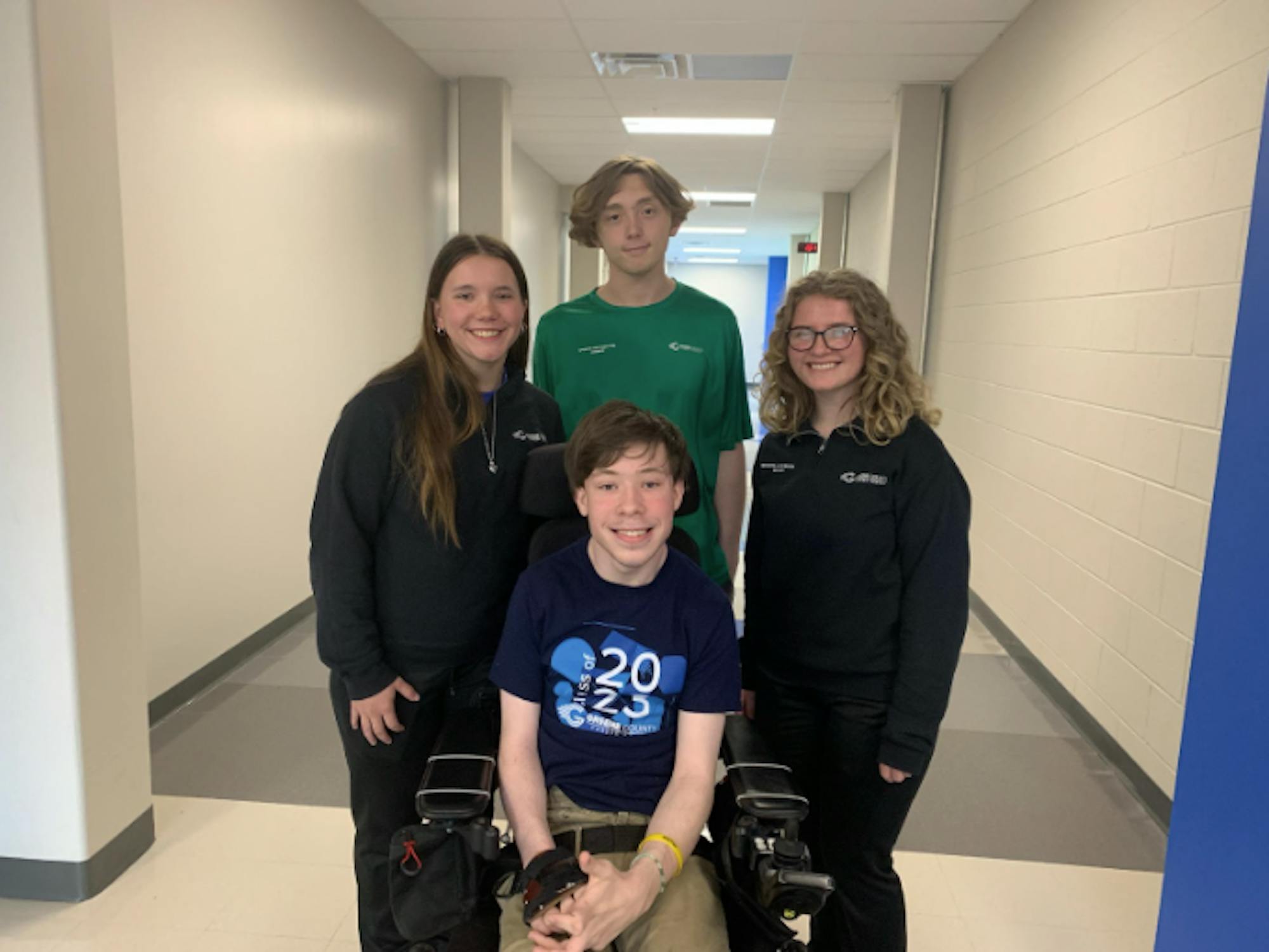
At the Greene County Career Center in Xenia, Ohio, as part of a partnership between their Exercise Science program and the Career X initiative — a workforce readiness program for students with physical and mental disabilities — I found myself involved in their adaptive exercise collaboration. That is where I met Reece White, Cameron Parlett, Mikhaila Jones and Tori McPherson.
They did not just help me work out. They changed how I saw myself in the exercise space — not as a burden or an exception, but as part of a community. They showed me what inclusion truly looks like. And together, we chased a few dreams while we were at it.
Reece was my trainer during my senior year of high school. He always had a smile on his face and was genuinely excited to get to know me and learn about my exercise goals. He was brave enough to look past what society often sees when they look at someone like me in that space — and so were the others.
One of my favorite memories with Reece happened between exercises. That is when we really got to know one another. He had a deep passion for giving back and a fierce love for his siblings, especially the younger ones. He dreamed of going to Arizona State and helping people with diabetes — something he fought with himself.
He was also the most passionate Starbucks barista you will ever meet. He brought the same joy, energy and care to serving coffee as he did to training and supporting others.
At the time, I was just a lost, clueless kid with a giant goal: to walk across the stage at graduation. And Reece was all for it. With the help of him and my friends, I accomplished that dream — a dream he helped me focus on.
The Three Amigos and their enduring motto, LLRW, have left an indelible mark on their lives
Tragically, Reece passed away in November of our senior year. That is when "The Three Amigos" were formed. Even though he was not with us physically anymore, everything we did from that point on was with four letters in mind: LLRW.
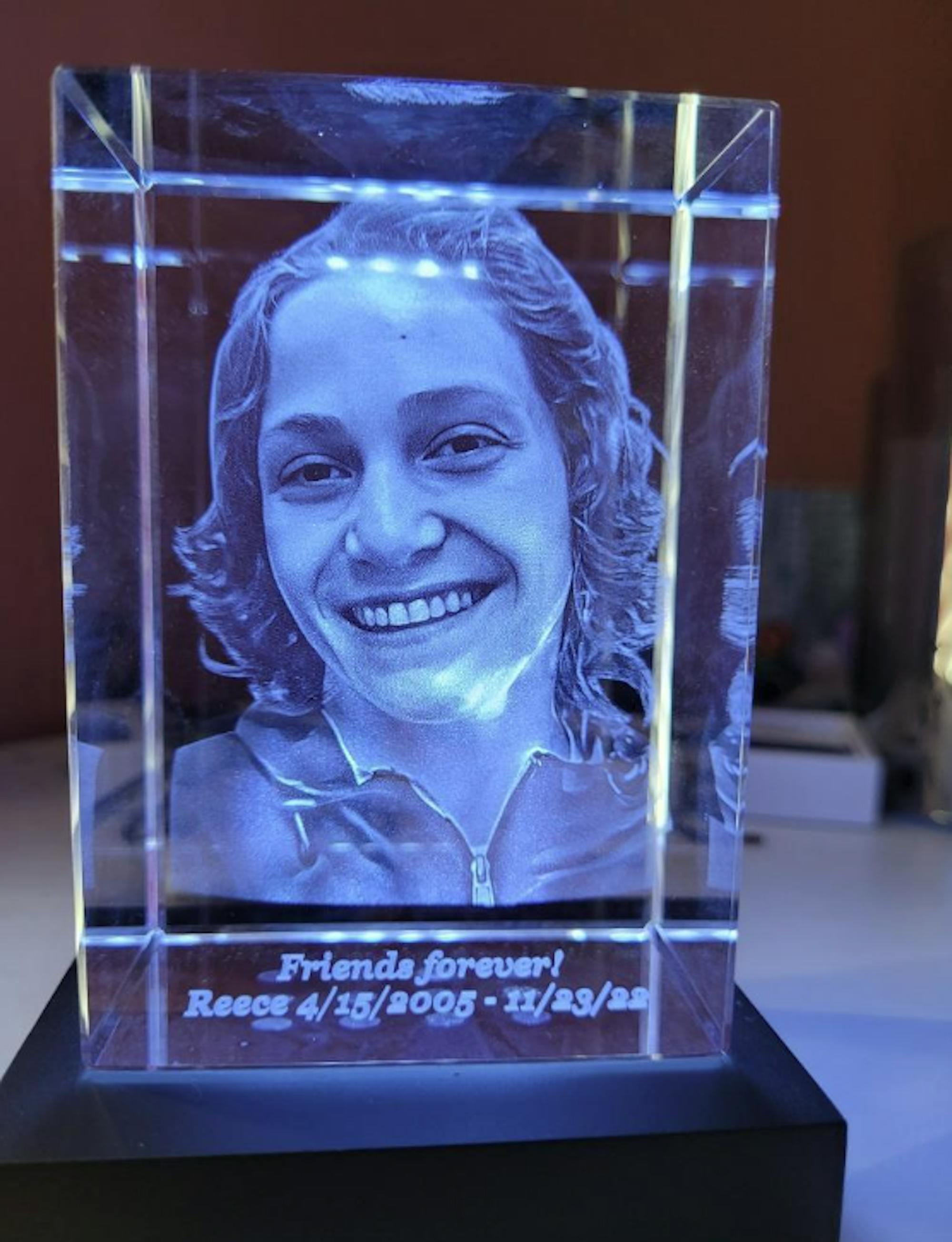
He was with us that night — me, Mikhaia, Tori and Cameron — when we stepped into a fairy tale. And there is no doubt in my mind that Reece was smiling from the best seat in the house.
It has been a couple years since me and the Three Amigos walked together in unison for something bigger than us. I promised myself the night I learned Reece passed that I would do everything I could to give back to the causes he would have stood behind.
So when my friend Maggie Mann started designing an adaptive weightlifting class at Wright State University — surveying our group of friends who happen to have various physical disabilities to better understand the barriers we face — I saw a little bit of my own story in the one she is trying to tell.
Reeces would have loved you, Mags. More importantly, he would have loved what you are trying to build with adaptive fitness. He would have stood by you 100 percent if he could — same goes for the Three Amigos.
Let me tell you a little about Mags. She does not hear the world like most people, but she has never let that stop her. She wrestles. She does jujitsu. She is the President of the Chemistry Club and vice president of a couple others on campus. But what outshines all her accomplishments is her caring heart.
She once carried me — basically — after my catheter stopped working, all the way into the bathroom. Mind you, this was only the second time we ever really hung out. On the first night we spent time together, she fed me ice cream because I could not do it myself.
Mags is a wonderful student, but an even better person and friend — a better one than I deserve. Just like Reece's was for me, and for all the other lives he touched.
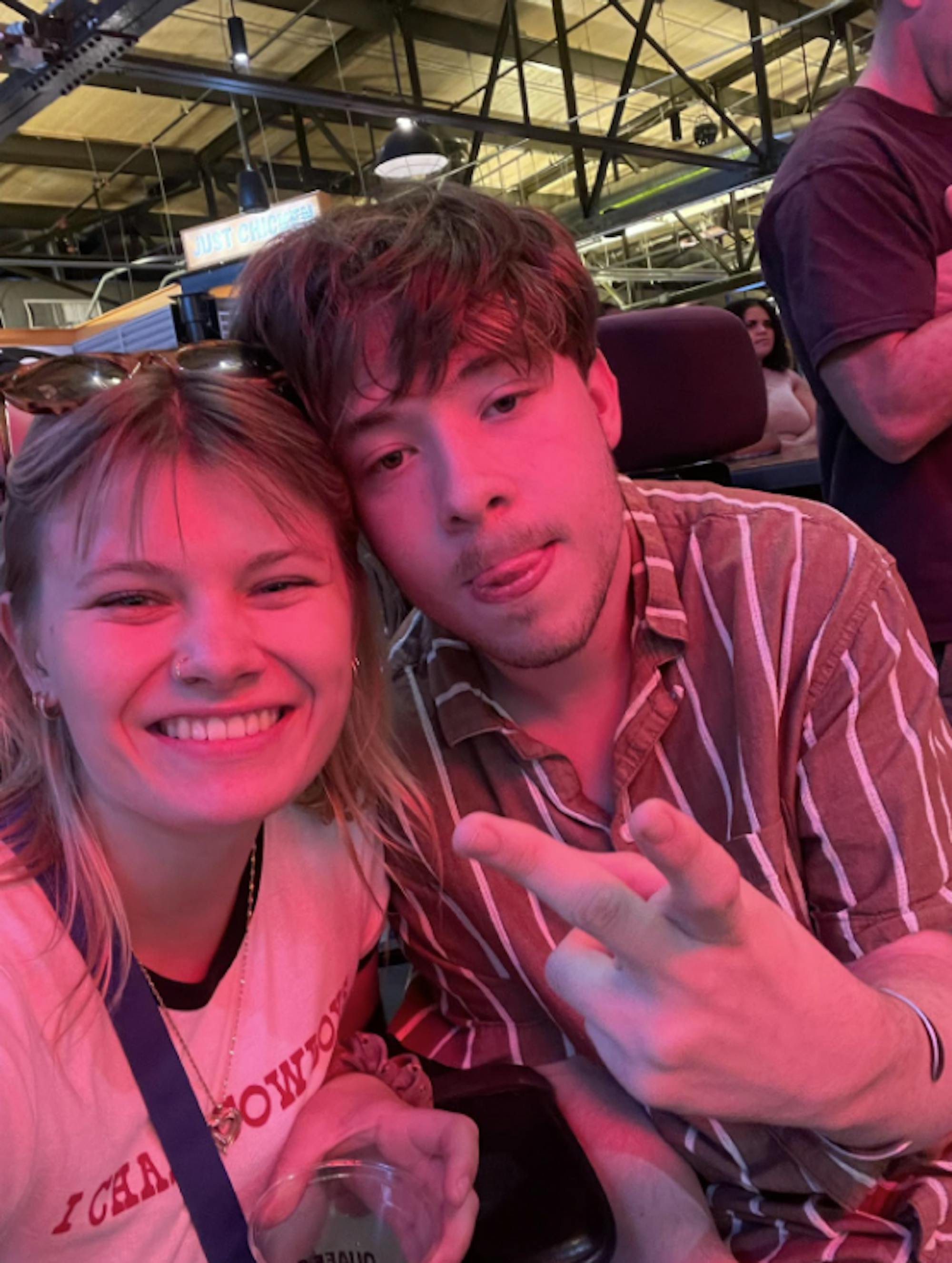
The biggest compliment I can give Mags is this: I see Reece's in you.
Passing the torch to Raider Nation with Lift Lab with Maggie
Mags got her adaptive group fitness class up and running for Raiders of all shapes, sizes, ability levels and experience. It is aptly named "Lift Lab with Maggie."
You can register using the CREC App or at rec.wright.edu. Adaptive rec is held on Tuesdays and Thursdays from 11:30 a.m. to 12:30 p.m.
Please give Mags a chance to show you the power an inclusive exercise environment can have on people of varying abilities. I am living proof of that.
Mags was having a hard time reaching the people she wanted to help the most. That is why I told you this story — to show that maybe, for the first time, someone who looks like you, moves like you and lives life like you now has an instructor who also looks like you, sounds like you and faces the same challenges you do. Someone who sees you for you.
What I have done and what Mags is doing is probably something people like us you were told we could never do. But here Mags is — showing up, lifting up and proving every day what is possible when inclusion is more than a word but no one person can change a narrative alone it takes all of us.
Funny thing about this story — it is not just Reeces’ story, or Cameron’s, or Mikhaila’s, or Toris's, or Mags’ or even mine. It is bigger than all of us. It is a dream, a legacy that began with a single step into the unimaginable — just two years ago. And where many of you reading this will walk, roll or move in all the ways in between as you turn the page to the next chapter of your lives.
But my hope is this: that the Raiders who go through life a little differently and want to be part of something bigger — something inclusive — can find a piece of themselves in our story. That they build off of my part, and help Mags continue lifting her story — one rooted in inclusion, strength and representation — so that every Raider's narrative, no matter their shape, size or ability, is reflected in the pages of Lift Lab with Maggie.