
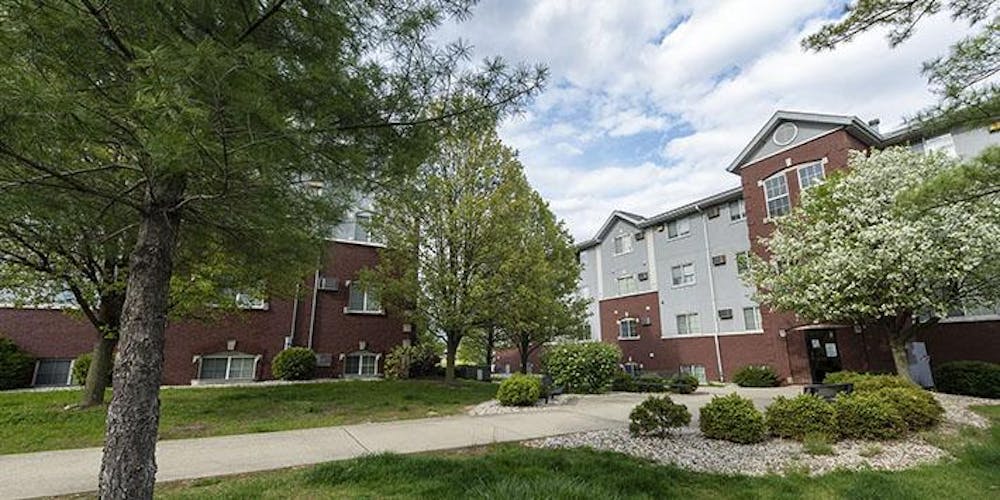
This year, a larger number of students moved into Wright State University’s campus housing. Over the summer, many changes were made to residence life, from furniture to which buildings are available for students, to coincide with this increase.
Director of Residence Life discussion
Jennifer Attenweiler is the Director of Residence Life. She started as a community director for Hamilton Hall and has worked her way to the director position, and is approaching her third year in the position.
“We had the largest group of students in over a decade join us, so we're at 2400 students, and we had Jacob Hall reopened this year, so that was fun,” Attenweiler said.
In the interview, one of the first things that Attenweiler emphasized was the power of the Residential Community Association and its ability to make changes for students
“RCA is like the governing body, and then they have each a council for every community. So all the councils are now up and running for each community, and they're kind of like the advisory boards, but they'll also do programming. They'll advocate for their communities,” Attenweiler said.
She went on to describe a time when they heard their students and made a change. A few years ago, students voiced their desire to keep toasters in their living spaces. Thanks to work done by RCA, students are still allowed to have toasters in residential spaces on campus. This was just one example of the ways they have implemented changes to meet students' requests.
“When we listen to the students and give them those amenities, it makes them happy. And so the councils, that's their role, to kind of advocate for their community. But also go to RCA with things so that RCA can have that louder voice and bring those concerns and improvements,” Attenweiler said.
Students can reach out to their RCA community councils with any comments or concerns they have about their living environments.
Changes made
With the reopening of Jacob Hall in the Woods, there have been a lot of recent changes to residential life this year.
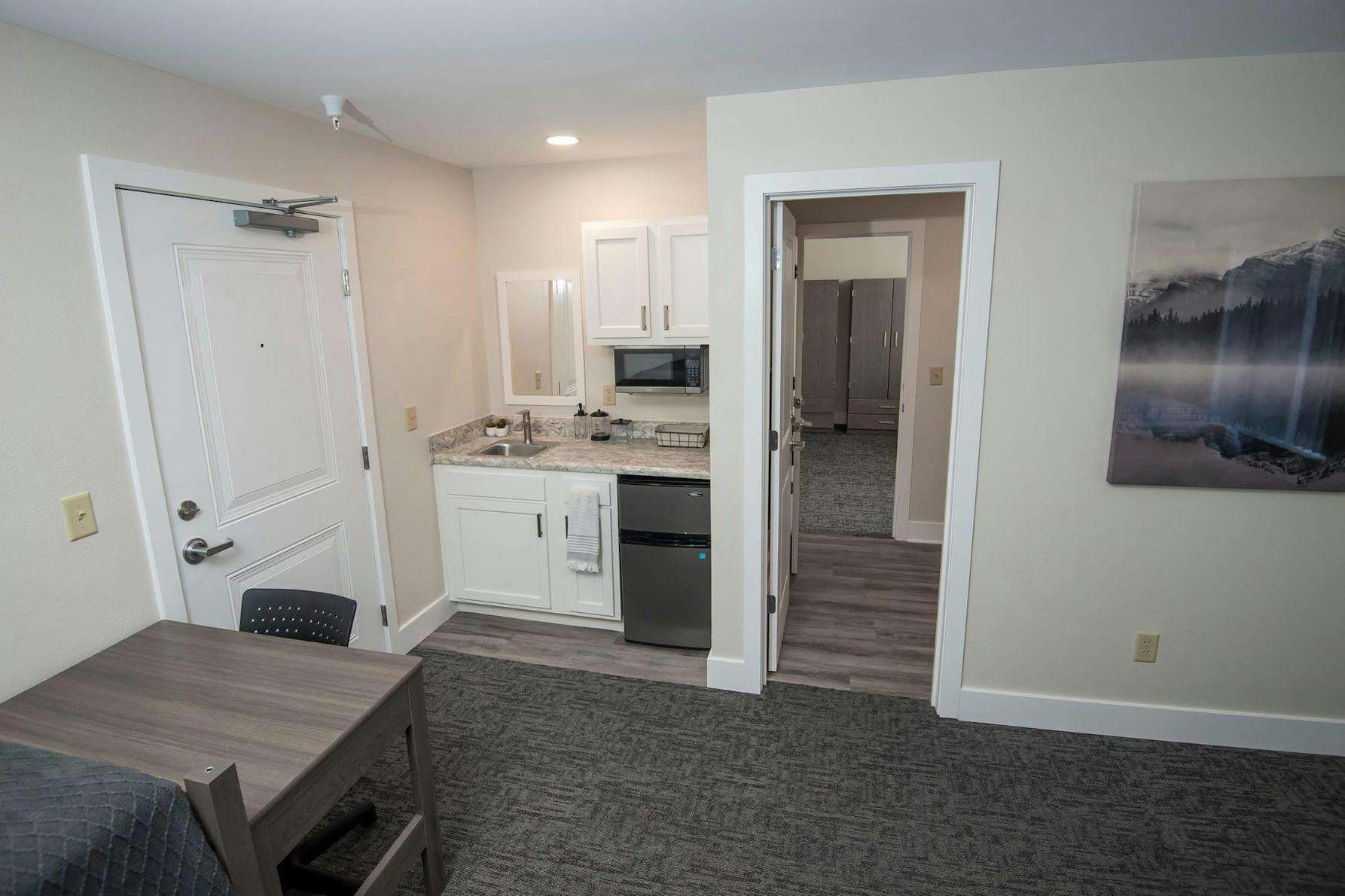
Forest Lane received new furniture in three of the four buildings, and the final one will receive the same treatment in the next phase, according to Attenweiler. She shared that the company they worked with did not have enough fabric to get all of them done, but that will be coming soon, most likely before next Fall semester.
“We're getting rid of carpet and moving to a luxury vinyl flooring over there. And so, just with the increase of traffic and students with [emotional support animals] and other things, [it is important to change],” Attenweiler shared.
Jacob Hall received a fresh new look after two years of renovations. When asked if there are plans to update the other Woods buildings similarly, Attenweiler shared why this was a complicated question.
“With renovation and the cost of, you know, having to make those improvements, obviously, there's a cost, then increase for the student. You know, we're pretty careful about that, because we understand that students are also students, right? So, like, some students can afford that higher price point, and some students don't want to pay that higher price point,” Attenweiler said.
It is good to hear that residence life is prioritizing student needs, both in terms of amenities and finances. With a wide range of options, students will hopefully have more freedom to make choices on where they want to live in the future.
Accessibility
Eric Corbitt is the Dean of Students for WSU, and attended the interview with Attenweiler to discuss the large influx of residential students this year.
“Each year, we adjust some of the rooms from singles to doubles. So capacity changes, even though the number of rooms cannot change. And that's changed almost every year,” Corbitt said.
Attenweiler explained that throughout the entire Woods community, the entrance-level floor, which is usually the first but sometimes the second, is entirely accessible for students with all disabilities.
“When students fill out their housing application, they actually indicate what they need, and those like for accommodation-wise. And so we work closely with ODS as well to share information and so to meet those reasonable accommodations and make sure that they have somewhere where they can live that's accessible for them,” Attenweiler said.
One other change that they are making to hopefully increase engagement within colleges and majors is adding living learning communities, where students with similar focuses will be grouped in housing.
Resident assistants
Resident assistants are student leaders who live in campus housing and are there to help other students with any problems that might pop up for them.
Kalli Koppin is a senior majoring in computer science at WSU and works as a Resident Assistant in College Park.
“I really enjoy being a resident assistant because it really gives me the opportunity to bring a community of people together, and working with the staff is really great because of the collaboration opportunities that the job brings,” Koppin said.
With RA's having such positive things to say, it is no wonder that there are now so many of them.
“I love that we have 72 RAs this year, which is the most that we've had, and we are actually hiring a seventh full-time staff member to manage some of those folks, because [of this size],” Attenweiler said.
When asked about the training process behind RAs, Attenweiler shared that students need to declare interest in the Spring semester to become one in Fall.
“They are required to take a class in the spring. It's like a six-week class or a seven-week class right before spring break. And then we hire [them] after they've taken that class. So it kind of gives them, like, some idea of what the job actually entails,” Attenweiler said.
If students are interested in getting involved with residence life, reaching out to RCA or taking the class about becoming an RA are great options.


