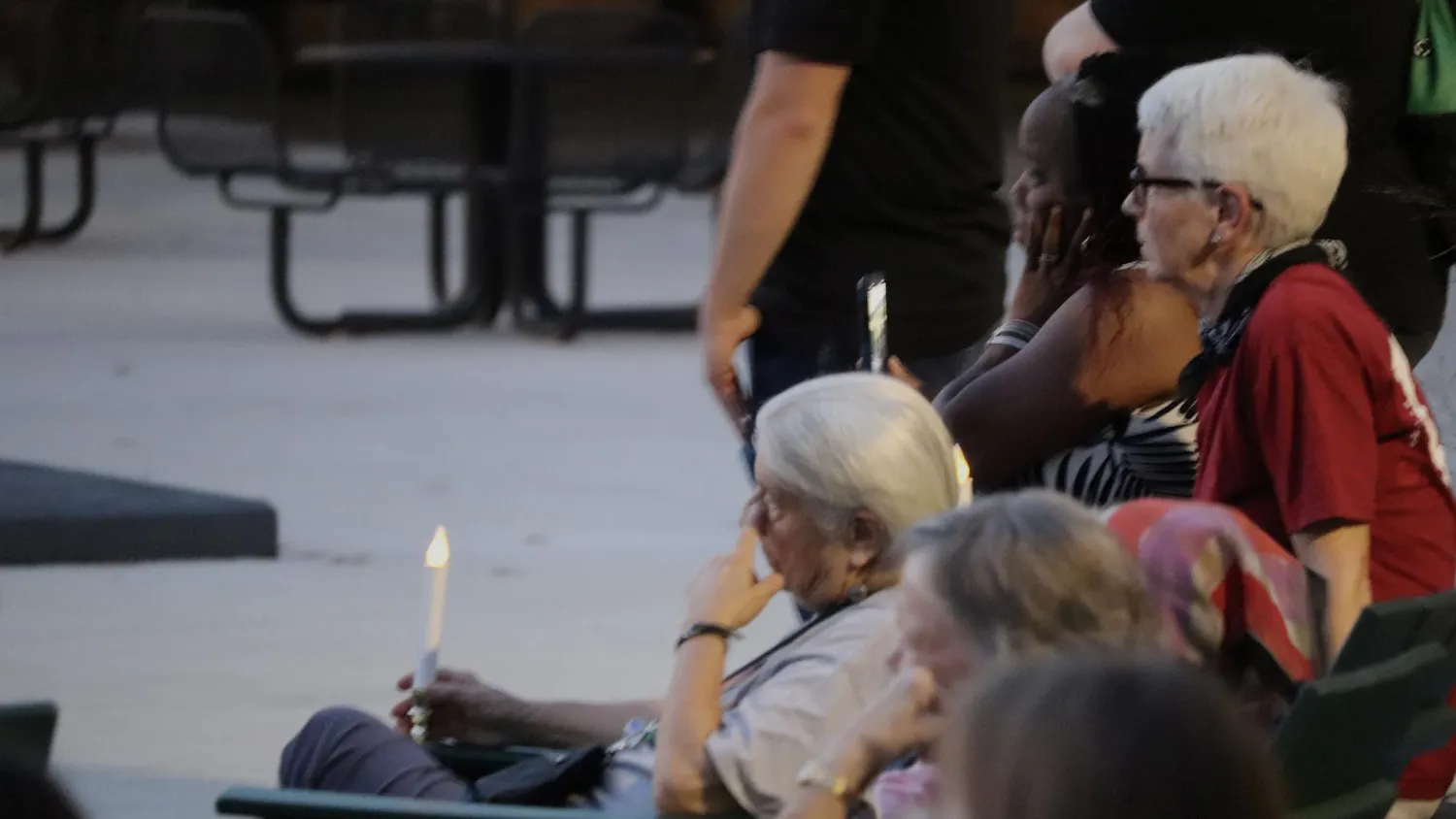
Over the course of Trump’s second term as president, topics regarding free speech usage within the United States have become essential in this political climate. When tied to Ohioans or just WSU, both college students and professors have their opinions on whether they are being censored by the current administration. This stems from the recent actions the Trump Administration has taken towards colleges and U.S. citizens regarding free speech.
The First Amendment and its importance to Americans
Free speech is protected by the First Amendment given to the American people through the U.S. Constitution. The First Amendment protects five fundamental freedoms that makes the U.S. a democracy. These five are freedom of religion, speech, press, assembly and the right to petition the government.
Each is being diminished through specific measures when citizens are critical of the current administration's actions. Speech is the primary component that a large margin of U.S. citizens use in this day in age to report crucial media that is not being televised.
With all of this in mind, many Wright State University students or Ohioans in general may be concerned to critique/speak out against injustice without getting penalized.
Professor and student responses
Dave Baxter, senior lecturer in communications at WSU, discussed his opinion on free speech.
“I don’t believe free speech and/or expression is being jeopardized on the national or state level," Baxter said. “The U.S. Supreme Court has steadfastly over the years defended the First Amendment and has struck down any attempts to abridge or restrict speech or expression, even, or especially, unpopular ones.”
Other professors may disagree with this statement. For example, Kantha Pramod, an international politics professor at WSU, says otherwise. "The administration treats its critics harshly which impedes free speech as media takes a defensive stand and critical expressions get muted through self-censorship," Pramod said.
WSU students also have mixed feelings about the matter. Six social groups around WSU campus were interviewed. When asked if speech was a topic to be concerned about, students fell into one of two categories: students were either distraught or relatively neutral.
It is also worth noting that, most mentioned that speaking out against President Trump and his cabinet members resulted in consequences. WSU graduate Jack Fellows stated that the American people should be worried.
"There is such a harsh push for freedom of speech, but it’s coming from the [Republican party] who just want to get away with saying things that are defamatory and bring damage to communities without somebody being able to say something back," Fellows said.
Seniors Hannah Littell and Savannah Wead carry the same sentiments. “I do think that there have been some cases recently, that seem like free speech may be under attack with the current administration. It seems like there are repercussions,” Wead said.
She mentioned The Chicks, a popular band, were criticized after speaking out against the president. “We moved forward from that, and then people could talk about the administration. Now it feels like it’s going backward," Wead said.
Littell mentioned recent protests, as well as Stephen Colbert and Jimmy Kimmel’s shows being targeted. “That's a clear example of censorship," Littell said.
Annual survey reports on college campuses and free speech
Speech-centered annual reports have been published by organizations such as The Foundation for Individual Rights and Expression (FIRE), a non-profit driven by the mission to protect every American's freedom of speech and free thinking. FIRE published a report on Sept. 5, 2024, which surveyed 58,807 student respondents from 257 colleges and universities about their opinion on free speech on their campuses.
The report mentions how Americans should address the current state of free expression. The deplatforming of campus public speakers were at an all-time high due to their expressiveness. There were also low levels of comfortability expressing controversial political views, and most college administrations were only “somewhat” clear on whether they would protect free speech at their campuses, according to page 19 of the report.
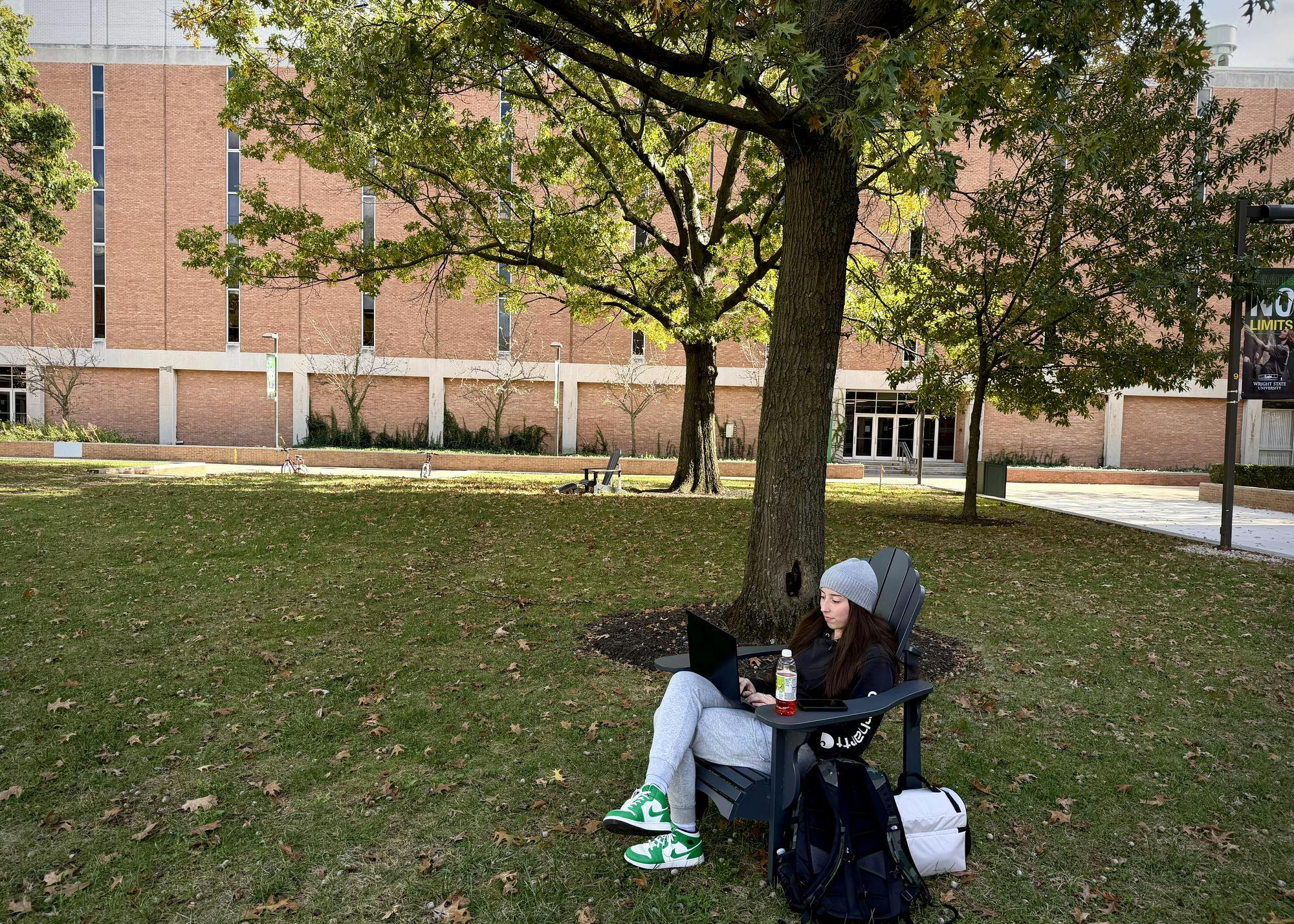
WSU received an “Average” when being rated in speech climate by the organization. Out of the 257 schools, it ranked 50th in the 2025 College Free Speech Rankings. 53.77 was the college's overall scoring.
Comparatively, the 2026 report released Sept. 9, 2025, which surveyed 68,510 students showed that 166 of the 257 schools received scores that were lower than 60, which was considered failing in speech climate. Only 11 schools earned a “C” or higher.
WSU moved from 50th to 49th place in the ranking, and the university's overall score went from 53.77 to 63.32 with a letter grading of “D”. The university progressed, but statistics show that its thoughts against speech are still considered unfavorable.
This, alongside the previous report, shows that over the course of time, speech protection has declined.
Members of WSU are divided on their opinions on free speech, and statistics show that free speech protections are declining.