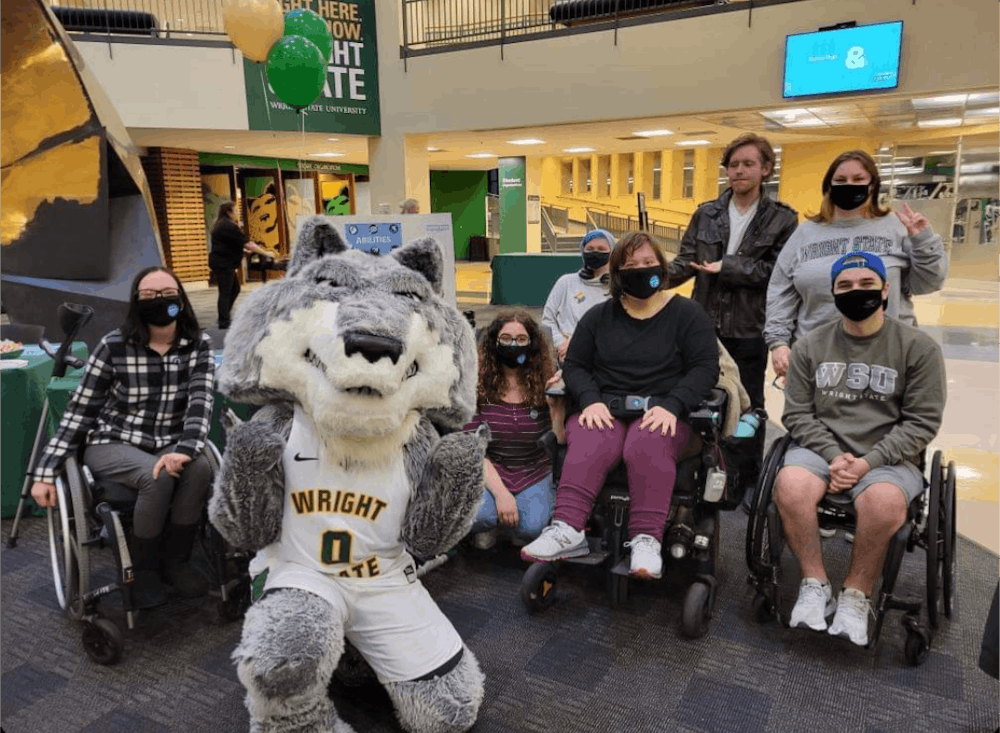
Wright State University is recognized for its commitment to wheelchair accessibility and disability services, as well as its programs. However, one such program, a student club called “Abilities,” had to shut down last semester. Recently, some students have come forward looking to restart the club, and met with the Wright State Guardian to share their needs and goals.
Leadership
Lily Berkow is a senior social work major and was the previous President of Abilities, but had to step down last year. Shortly after, the club went under. Regardless, Berkow continued her advocacy for the club she has loved for five years.
“I’m very happy about it,” Berkow said, referring to bringing Abilities back to WSU. “It’s for everybody.”
It takes multiple people to bring back a club, but Berkow’s cheerful and friendly nature easily spreads her message.
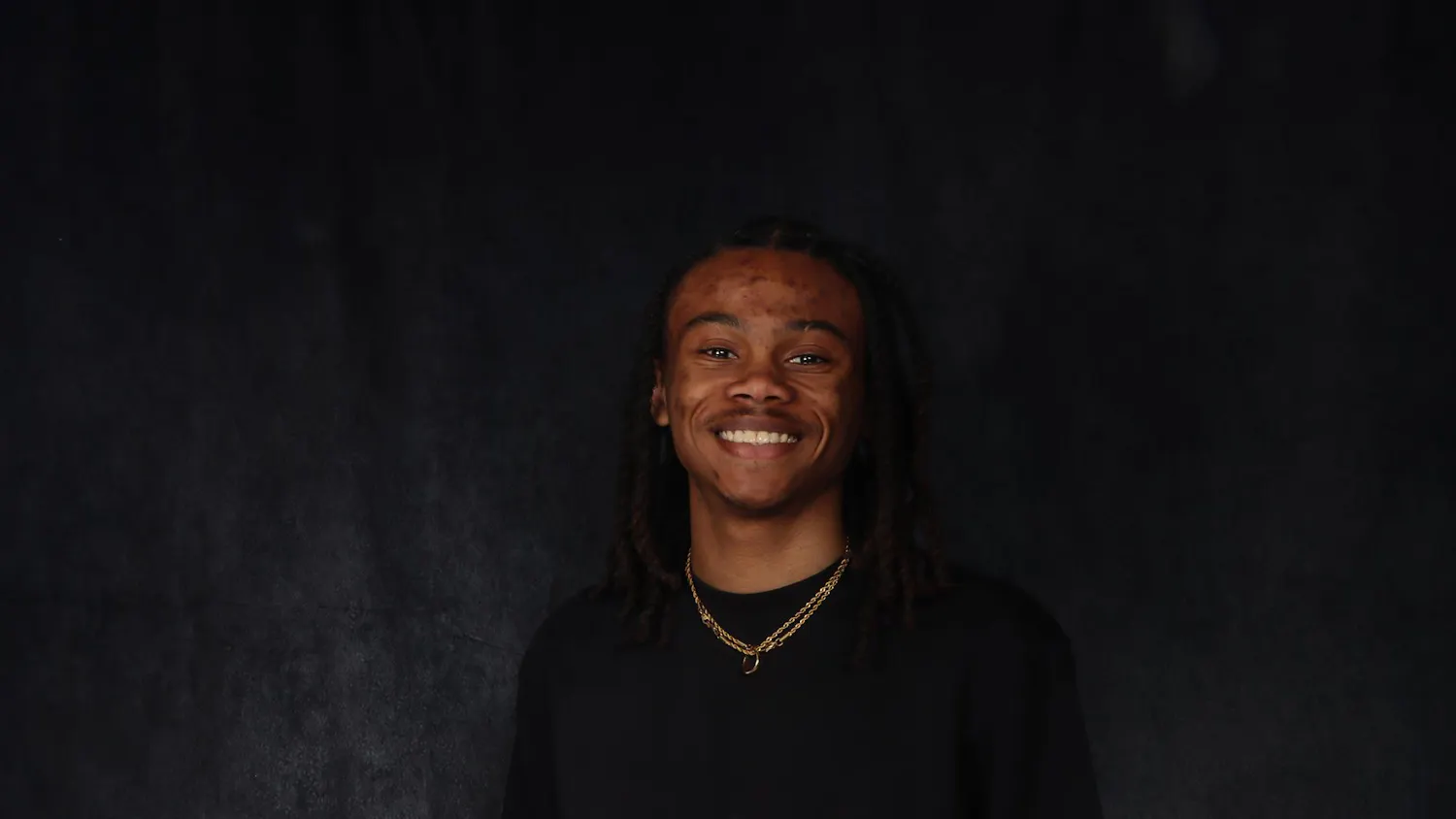
Myah Drazetic is a sophomore majoring in nursing. She was not involved in Abilities last year, but popped into events a few times. After meeting and befriending Berkow, Drazetic decided she wanted to help restart the group. Now, Drazetic is the president.
“I want something that, like, I'm really passionate about. And if you know me personally, you know that I'm [a] very big advocate for disability, for inclusion, all this stuff,” Drazetic said.
She explained that she and her mother volunteer at a camp for people with various muscular problems and diseases. Children and adults alike come to this camp, and this environment has led to Drazetic’s passion for inclusivity.
“This is, like, something that's missing from [WSU], especially because I know they try their best. [But] f you don't talk to students who have disabilities or might just, like, need an extra little thing to help feel included, you're not gonna know ” Drazetic said.
Drazetic seems unafraid to talk to anyone, which will help her to take on the role of leading this inclusive club space.
“I know we can make this club great. And I want people to know that every single person, no matter who you are or what you look like, you're all welcome here. It doesn't just have to be like, a certain demographic,” Drazetic said.
This club is for everyone, as both Drazetic and Berkow have shared. When they finally get up and running, they encourage students to attend their events. If you want to get involved before that, look up the President’s email on people.wright.edu.
“I’m really excited,” Berkow said.
Abilities’ advisor
One thing that all clubs need to officially get off the ground is a faculty advisor. When they came for the interview, the club still needed to find one. This has since been resolved.
“We are very open,” Berkow said when asked what their group was looking for in their next advisor.
When the Cultural Identity Centers were shut down over the summer, Abilities’ previous advisor lost her status as a faculty member, to many students’ dismay.
“It's just the advisor. That's really what’s stopping us, is finding a faculty member who's not super duper busy, or who just wants to do it,” Drazetic said.
Naturally, faculty members are busy, but this club must find someone passionate enough about the cause to step up and advise them.
“We need an advisor. We’ve been asking everybody,” Berkow stated. “I’m basically the advisor right now.”
While Berkow’s years at WSU give her experience in this field, as an undergraduate student, she cannot actually count as their advisor.
“I know the potential this club has, and I talked to the founder of the club, and she's so excited it's coming back,” Drazetic said.
Berkow shared that Romena Garrett Holbert, professor of education, has agreed to advise the club. They are very excited to officially have all the parts in place.
The importance of inclusive spaces
It is not enough for WSU to be the third most wheelchair-accessible campus in the country. There has to be an inclusive mindset among students and staff alike.
In an article about disability inclusion by the CDC, different ways to become an ally are listed.
“Disability inclusion entails identifying barriers that potentially impact people with disabilities to independently live and be fully engaged in their communities. Every community member can make a difference and play a part in addressing those barriers,” the article says.
While barriers can sometimes be easily seen, it may take critical thinking to identify barriers for people with certain disabilities. By Abilities coming back, the hope is that some of these will be torn down.
“I want a club where every student knows that they will be able to go and do that activity or do that thing, and not have to feel nervous about it, and just like a place to have fun. I'm hoping we can do that. I know we will. I'll make it my goal,” Drazetic said.
Abilities now has everything they need to be considered operational, so keep a look out for events in the future.