On Wednesday, Aug. 25, Counseling and Wellness Services hosted an informational overdose awareness event, providing students with the knowledge to recognize the signs of an overdose and to help prevent it from happening to those around them.
Understanding substance misuse
When understanding substance misuse, it is important to remember that overdoses mostly happen unintentionally and can happen to anyone. Overdoses can be a result of illicit substances, alcohol or medications that someone has been prescribed.
Many people often use terms such as “substance use,” “substance misuse” and “substance abuse” interchangeably, but there are important differences between each.
According to the JED Foundation, “substance use refers to any use of mind-altering substances like illegal drugs, cigarettes, inhalants and anything else that significantly alters the way we perceive the world.”
For substance misuse, this refers to using legal substances in an improper or unhealthy way, such as seeking out alcohol to deal with stress or to numb negative emotions.
Substance abuse is becoming increasingly known as substance use disorder. This is to move away from perpetuating shame, which could prevent an individual with the struggle with substance misuse from seeking help.
Knowing the signs
Opioid Use Disorder, also known as “opioid dependence” or “opioid addiction,” is impacting communities across America. Understanding the signs of this disorder and ways to prevent an overdose can help save a life.
According to the Centers for Disease Control and Prevention (CDC), “OUD is a medical condition that can affect anyone – regardless of race, sex, income level or social class.”
The signs of an overdose may include unconsciousness or inability to awaken; slow, shallow or difficulty breathing; discolored skin significantly in the nails or lips; or small, constricted “pinpoint pupils” that do not react to light.
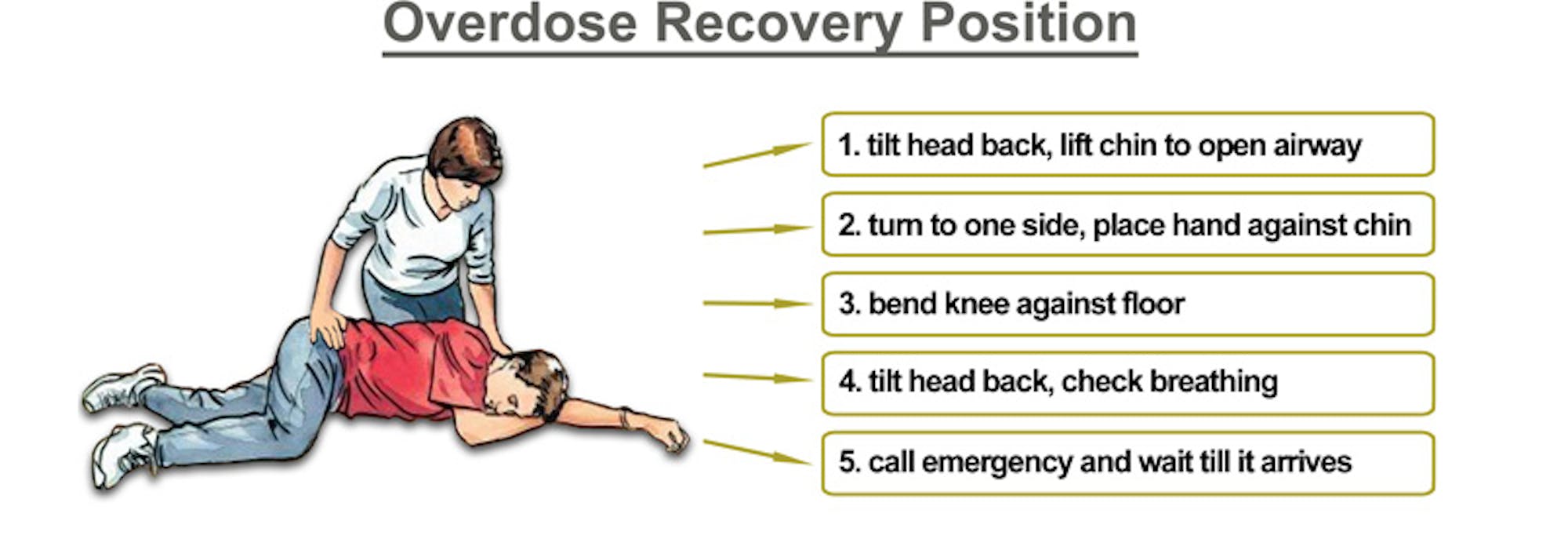
If someone is experiencing an overdose, the most important thing is to contact 911 or Public Safety. You can contact campus police at (937) 775-2111. While waiting for help to arrive, put the individual on their side into what is known as the "recovery position" to keep their airways open.
Another way to help is to carry and administer Naloxone in the event of an opioid overdose. To get more information about Naloxone and to obtain a free kit to carry, you can attend a Public Safety training, which is posted on Engage.
Importance of International Overdose Awareness Day
It is important to know the signs of an overdose, as they are the leading cause of injury-related death in the United States. Knowing how to prevent or stop an overdose can help save many lives across the country and worldwide.
Sara Baker is a Wright State alumna who is a registered nurse and now works in Public Health for Wright State University in the Counseling and Wellness Services.
“International Overdose Awareness Day is recognized to remember those we've lost and take action to end overdoses,” Baker said.
For more information on how to help prevent overdoses, visit the CDC website, take a training offered by Public Safety or visit the Counseling and Wellness services for more resources.