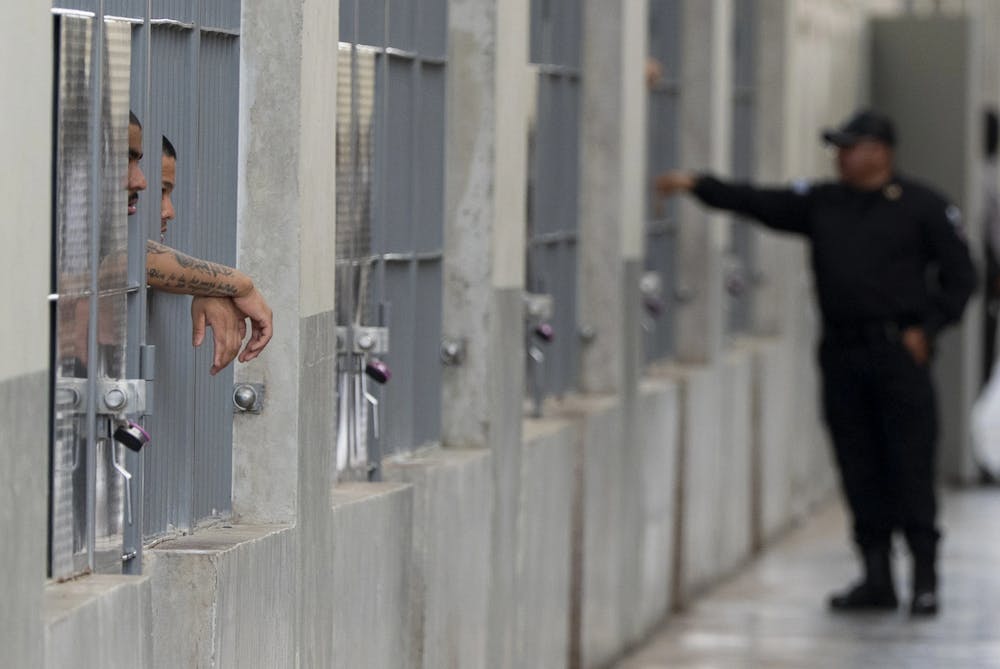
Ever since his re-election in 2024, President Donald Trump and the Trump Administration have been making calculated mass efforts to focus the country’s efforts on deportation. What is the current situation?
Deportation of legal and illegal immigrants
Both of Trump’s successful campaigns focused on deporting illegal immigrants. At the moment, there is a small list of requirements that need to be met to be deported from the U.S. constitutionally.
USA.gov provides an explanation of who is at risk of being deported, what happens when someone is detained, the following legal process and more.
“The U.S. may detain and deport noncitizens who: Participate in criminal acts, are a threat to public safety [and/or] violate their visa.”
Despite this claim, there have been cases and claims of individuals who do not fit these categories being detained anyways. There have also been video proof of ICE members detaining individuals without prior explanation and while wearing unidentifiable clothing– such as in the case of Rumeysa Ozturk.
“Federal authorities detained a Tufts University graduate student Tuesday while she was on her way to break her Ramadan fast with friends, her lawyer said, and the moment was caught on video,” NBC reporters Chloe Atkins and Phil Helsel said.
This event occurred in late March; however, deportation events have continued popping up. Another example is Kilmar Abrego Garcia, a Maryland resident who was deported. There have been subsequent protests against his deportation and demands that he be brought back.
Deportation of Kilmar Abrego Garcia
Abrego Garcia was first deported on March 15, a little over a month ago, and was rushed to El Salvador, where he– and many others who have deported from the U.S. these past few months– were sent to the Centro de Confinamiento del Terrorismo, or CECOT, prison.
It is a maximum security prison meant to deal with gang members and terrorists.
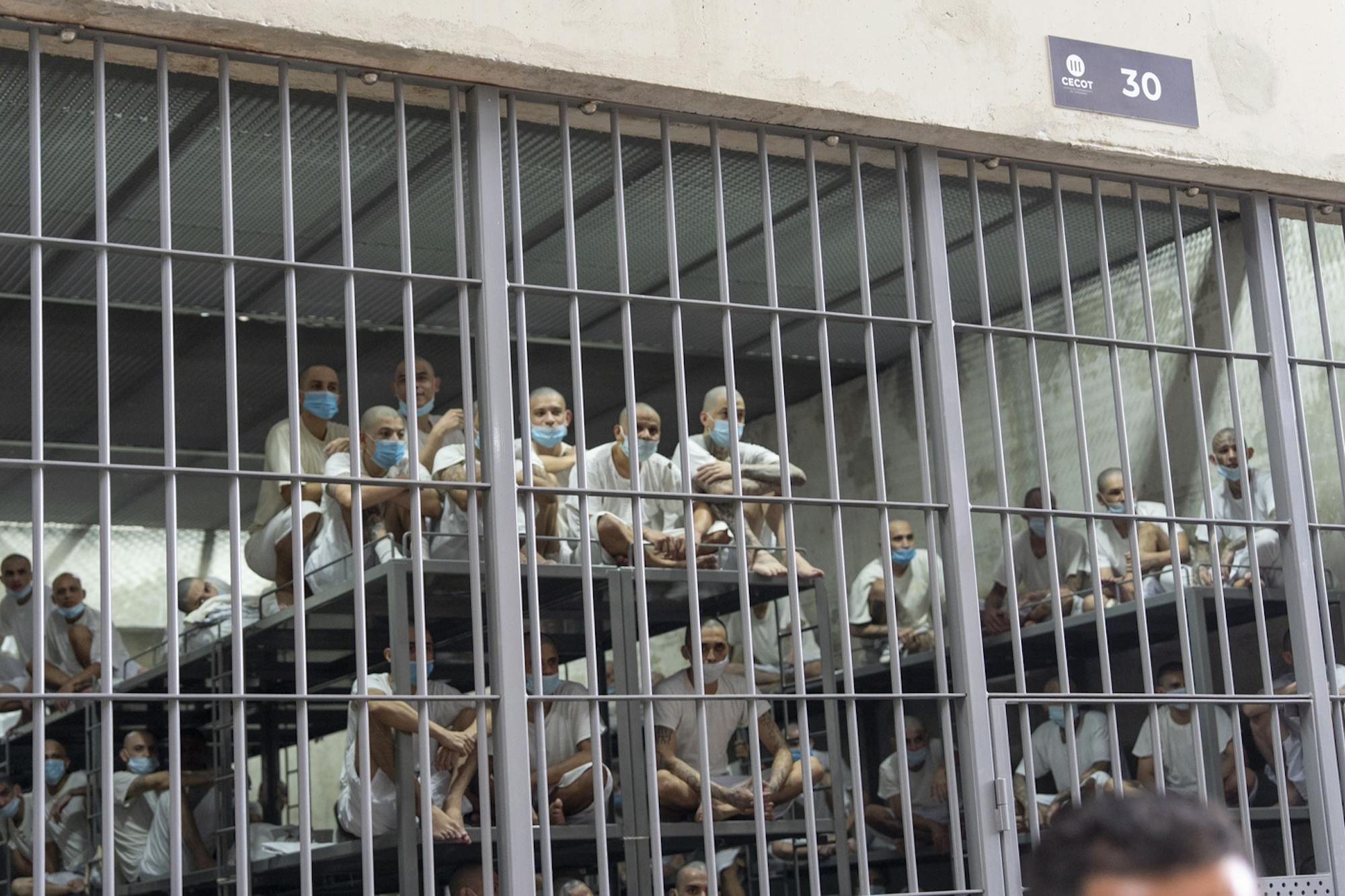
The Trump administration has called this decision an “administrative error,” as Abrego Garcia is a legal U.S. citizen with no criminal record or charges.
The only known potential charge against Abrego Garcia is a domestic violence charge filed by his wife, Vasquez Sura. They were filed back in 2021, but the charges were ultimately dropped.
“We were able to work through this situation privately as a family, including by going to counseling. Our marriage only grew stronger in the years that followed. No one is perfect and no marriage is perfect,” Vasquez Sura told WUSA9.
The courts claim that Abrego Garcia is a violent gang member; personal accounts show him to be a loving father who simply has had a few flaws.
“The release of the documents came as a part of a renewed push by the Trump administration to portray Abrego Garcia as a criminal and an MS-13 gang member,” WUSA9 author Rafael Sanchez-Cruz said.
The U.S. executive and judicial branches have had back-and-forths over the case as judges attempt to force the Trump administration to bring back the wrongfully deported man. A judge made the decision to order sworn testimony by Trump administration officials to determine if they complied with the instructions to facilitate Abrego Garcia’s return.
A later three-judge panel unanimously refused to suspend this judge’s decision, despite demands from the Trump administration.
“Judge J. Harvie Wilkinson III, who was nominated by Republican President Ronald Reagan, wrote that he and his two colleagues ‘cling to the hope that it is not naïve to believe our good brethren in the Executive Branch perceive the rule of law as vital to the American ethos,’” AP News wrote.
“This case presents their unique chance to vindicate that value and to summon the best that is within us while there is still time,” Wilkinson also wrote.
As of April 17, there have been no updates on if Abrego Garcia will be safely and rightfully returned to the U.S.
Deportation of U.S. citizens
While his deportation efforts were originally focused on “illegal immigrants,” Trump has recently discussed that he would like to make efforts to deport legal U.S. citizens who have committed certain crimes.
“Last week, White House press secretary Karoline Leavitt said Trump was interested in deporting ‘heinous, violent criminals’ who are U.S. citizens to El Salvador ‘if there's a legal pathway to do that,’” NBC News reports.
Trump and the President of El Salvador, Nayib Bukele, have been incredibly close as the two countries work to find a way to continue deporting U.S. citizens. While Trump describes the potential legal U.S. citizens to be deported as committing “heinous crimes,” it is currently unknown what these crimes are.
Trump describes these potential individuals as “homegrown criminals.”
According to NBC News, plenty of legal experts and lawyers claim that this is illegal and unconstitutional.
Anthony Kreis, as quoted by NBC News, is one of many individuals that are shocked and confused by the potential new policy.
“I can’t see how exiling someone is permissible as part of the bundle of rights that are fundamental to citizenship — doubly so if the effort to house American citizens overseas means turning a person over to a foreign authority," Kreis said.
In the case of Abrego Garcia, the Trump administration has refused to facilitate his return to the United States after his sudden and illegal deportation to El Salvador without right to due process.
“If that logic is applied to U.S. citizens, they could potentially be summarily deported without being able to challenge it. Although Trump has said he would only want to target criminals, there is also no reason the government could treat others who have not been convicted of crimes in the same way,” NBC News suggests.
It is currently unknown if this policy will come into effect, and what circumstances surround the situation. The Wright State Guardian will report as updates come out.
For those who fear they may be at risk of deportation, the National Immigrant Justice Center has provided a thorough list of steps to follow to decrease this risk.
These include seeking legal consultation, creating a safety plan, collecting all of your legal documents in one safe space, avoiding immigration fraud and being alert for digital scams.
“All individuals in the United States have rights, regardless of immigration status,” the NIJC says.