
Senate Bill One has officially been signed by Governor Mike DeWine; one aspect of this bill includes a ban of Diversity, Equity and Inclusion programs on college campuses. These communities now are faced with threats to once-thriving inclusivity, and many are unsure of how to handle this challenge.
Senate Bill One: what is it?
A quick walk across campus is all one needs to do to find diversity in the Wright State University community. The array of cultural organizations and diversity centers that follow a mission of promoting inclusivity is where many students seek comfort at WSU.
As political turmoil continues to plague the country, colleges across the state of Ohio are now faced with Senate Bill One, which will have an impact on DEI programs on campuses.
On March 28, Gov. DeWine signed the bill into law, directly impacting institutions of higher education and programs which promote DEI values at these institutions.
The bill itself prohibits, “The establishment of any new institutional scholarships that use diversity, equity and inclusion in any manner.”
WSU is directly affected by this bill, as the campus community has spent years fostering an environment that promotes diverse identities. Now services provided by the university that fall under the DEI category are threatened, as well as student centers and organizations.
Students, faculty and staff are all working on how to navigate expected changes and express opinions that are not restricted by the bill.
Areas affected on campus
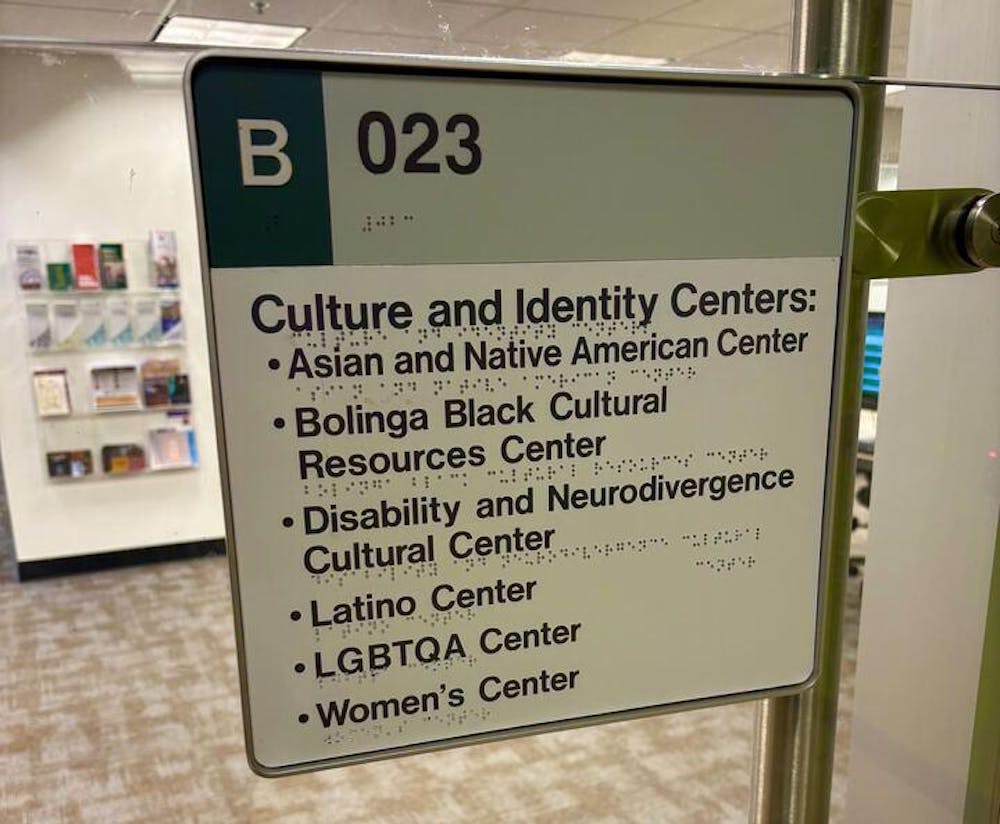
The bill’s elimination of DEI programs would remove the Division of Inclusive Excellence at WSU. This division comprises centers and offices that uplift communities and provide sanctuary for cultural, gender and sexual identities, as well as individuals with disabilities.

CIC entry
The elimination of priorly-held diversity values would go beyond clubs and programs. Senate Bill One would call for the elimination of any DEI terms in WSU’s mission statement, in classroom teachings and campus activities.
These programs, organizations and centers are places where community and campus culture are created. Chloee King, a freshman at WSU, expressed how the LGBTQA Center has become a social gathering place.
“This is my first year here at [WSU], and I had no clue how to make friends. I came to the identity center, and I sat in the Rainbow Room. And they came in and went, 'you're our friend now,'" King said.
The Wright State Guardian reached out to the LGBTQA Center, and they wish not to comment at this time.
A full list of centers and offices in the Division of Inclusive Excellence which are threatened by the bill are listed on WSU’s website.
Community perspectives and advocacy
Preserving a campus environment with values of diversity, equity and inclusion still remains possible without programs on campus that align with these values.
With restrictions from the state bill prohibiting the university to promote DEI, it falls onto the community to do so. Freedom of student speech has not been affected, and students have recognized this fact.
Student advocacy and protest have become tools for the campus community to express views on how DEI bans are affecting WSU.
After one of the first signs of DEI removal was seen at WSU through the elimination of gender neutral bathrooms, students put together the bathroom protests on March 26.
Advocating for inclusivity does not just have to be through campus-wide protest. Other students find value in small gesture which uplift DEI values that are being suppressed.
Looking for ways to help assist and uplift individuals who fall under DEI goes a long way as well. One WSU student, Heather Emmert, has some suggestions.
"I would encourage people to stay aware and see how you can help the people around you. For example, if you see someone who has accommodations that are ineffective, acknowledge that and inquire about what you can do to help," Emmert said.
King emphasized the importance of using word-of-mouth to inform the WSU community and greater community that these programs are important to students and the university.
“It may not be important to you, and that’s fine. But you need to be aware that people are going to be upset if this goes away,” King said.
The Wright State Guardian has reached out to WSU for a statement regarding DEI eliminations and is awaiting a response.


