

The biological sciences department is currently hosting a series of Wednesday seminars, which allow graduate and some undergraduate students to present their research in a less-stressful environment to help them prepare for larger audiences.
The BioLunch Seminars
The Seminar series is hosted by Dr. Megan Rúa, an associate professor in the Department of Biological Sciences. She coordinates the Biological Sciences Graduate Program, and also sets up the Seminar series as a way for graduates to present research.
“As a department, we value research, and an important part of being a researcher is your ability to communicate your research. BioLunch came of this need as we wanted a space for student researchers to present their research that was low stakes, i.e. no grades involved,” Rúa said.
Mariah Slaughter, an environmental sciences PhD student, is hosting the Feb. 26 BioLunch Seminar, and she also discussed the importance of communication.
“BioLunch is an opportunity for student researchers to both practice presenting– which can be scary no matter what– and discussing field-specific concepts in front of a broad audience,” Slaughter said.
The department also hosts Monday seminars for distinguished scientists from around the world, but Rúa enjoys the BioLunch Seminars as it is just students who participate and attend. While it is not an assigned part of the job, many faculty attend the event as well.
The BioLunch Seminar series usually hosts graduate students in one of three master’s departments: Masters in Biological Sciences Program, Environment Sciences PhD program and Biomedical Sciences PhD program. However, there is space for one or two undergraduate researchers to present their work as well.
What was the most recent seminar?
Christina Minassian, a graduate student in the biological sciences department, hosted her seminar on Feb. 19. Her presentation was titled “Investigating the enhancer effect of membrane trafficking proteins on a synuclein-toxicity in yeast,” and was an in-depth discussion about a protein called the a-synuclein protein.
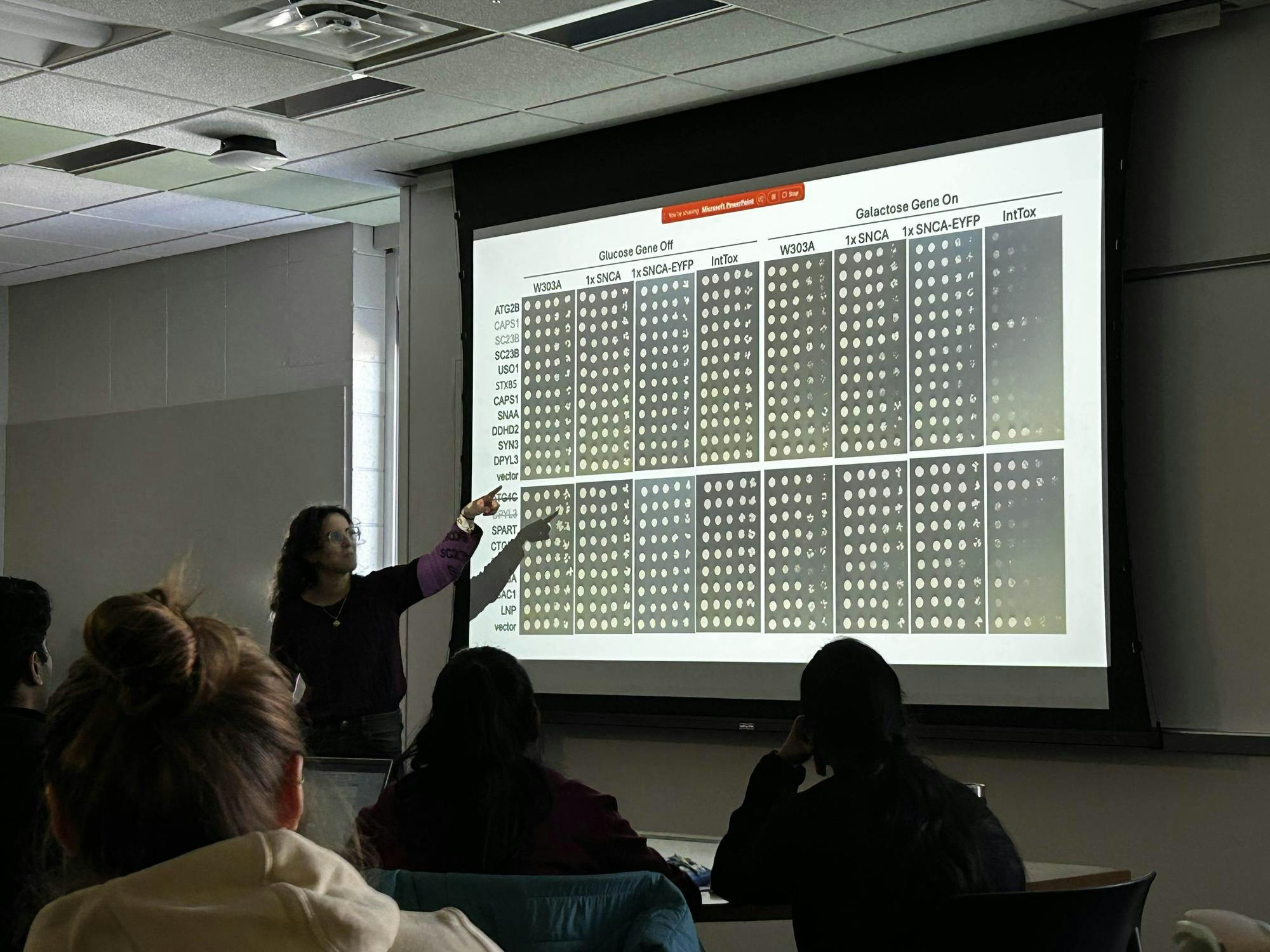
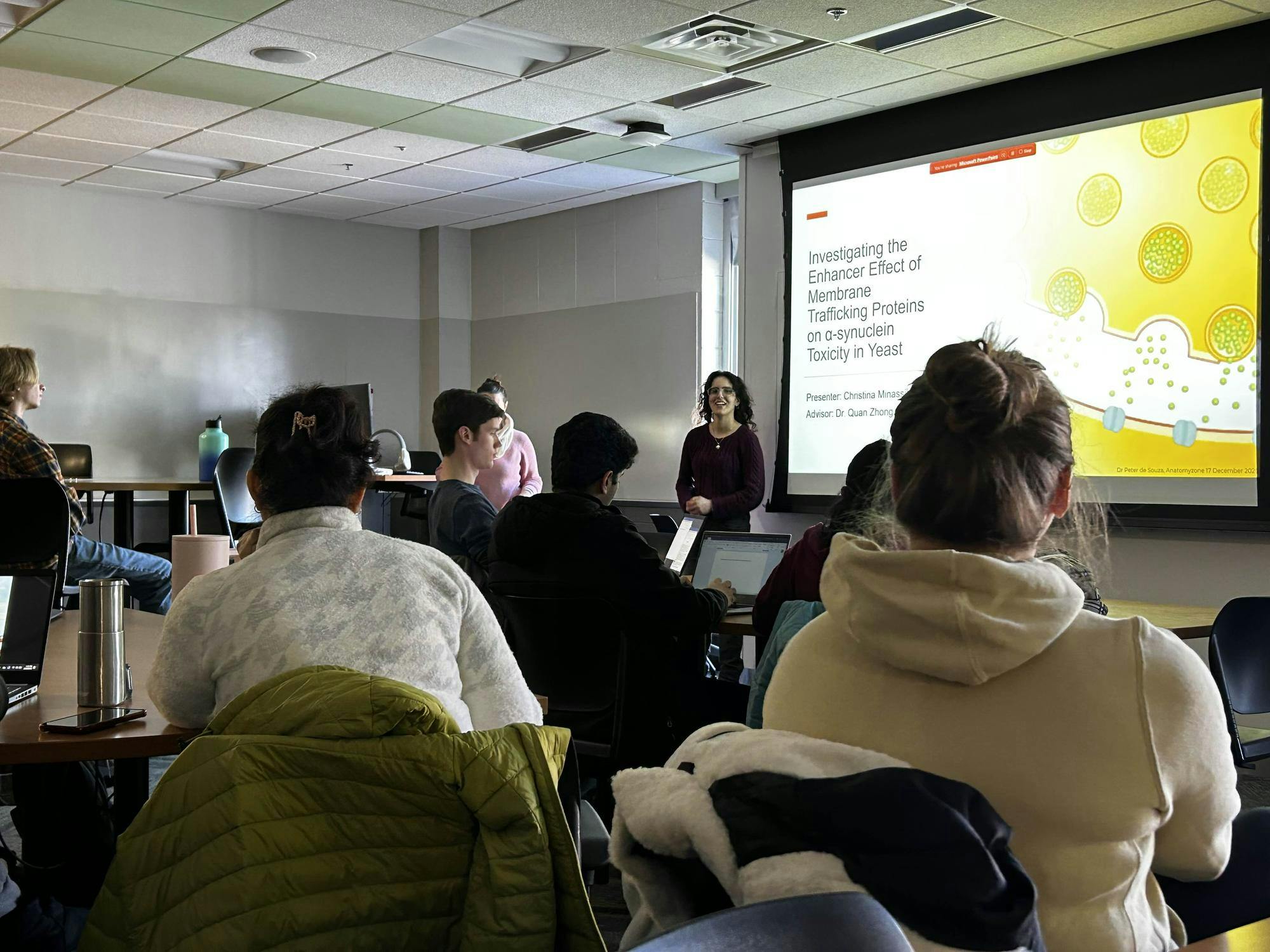
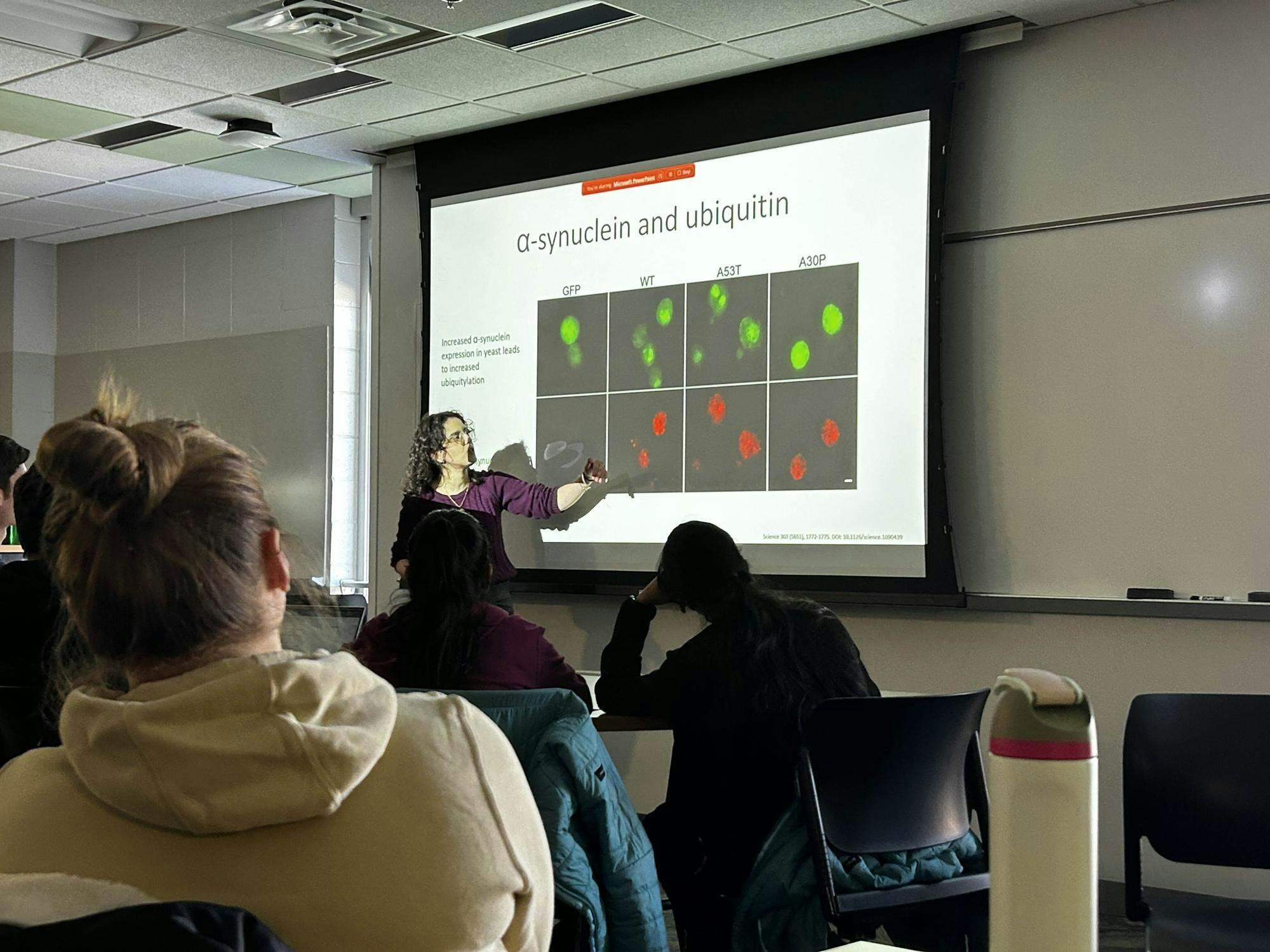
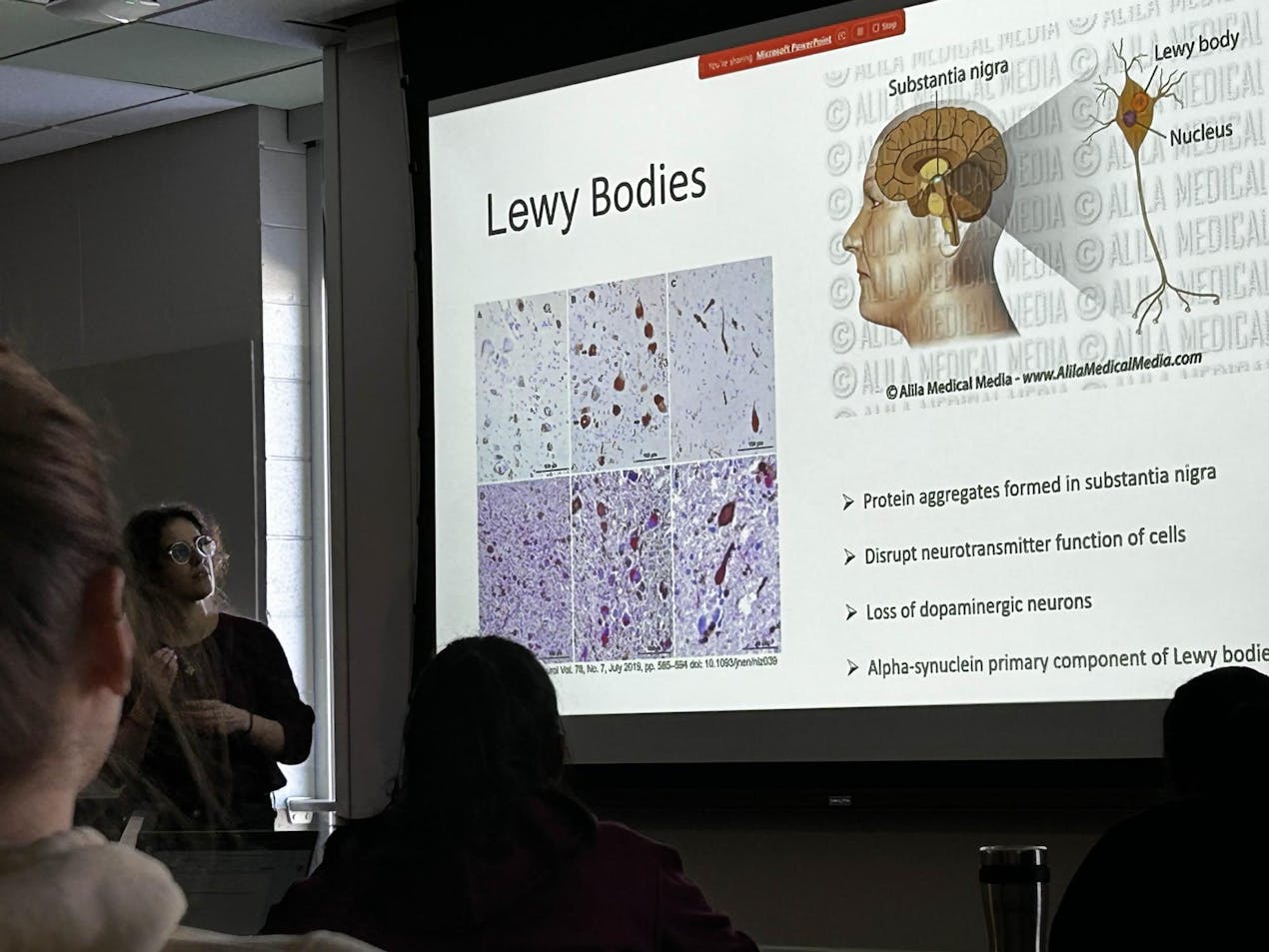
“My research mostly focuses on the a-synuclein protein, the primary component of Lewy body aggregates in the neurons of Parkinson’s patients. More specially, I am studying how certain genes involved in membrane trafficking could potentially have an effect on the pathology of a-synuclein through a direct or indirect mechanism, essentially enhancing the toxicity of the protein,” Minassian explained.
To students not involved in biology or the sciences, this may sound a bit confusing at first glance. However, Minassian perfectly portrayed her research during her hour-long seminar with in-depth explanations and informative visuals that helped STEM and non-STEM students alike understand the importance of her studies.
Minassian has previous experience in the medical field as a medical laboratory technologist, but she realized she wanted to do more than just test for diseases.
“I wanted to understand and potentially uncover the causes and mechanisms behind the diseases, so going into research and going back to school to pursue my master’s was the logical next step for me,” Minassian said.
She joined Dr. Quan Zhong’s lab at the recommendation of a friend, where she is currently researching Parkinson’s disease. Zhong has her sign up for the BioLunch Seminars as a presenter quickly, as thesis-based master’s and PhD students in the biology department are expected to participate in the series to showcase their research and receive feedback in a low-stress environment.
Slaughter will present on Feb. 26, and is quite excited to do so.
“As a second-year PhD student, I am involved in BioLunch to practice presenting my research in a safe and low-risk environment in front of a broad audience of biologists,” Slaughter said.
Her presentation is titled “The pursuit of nutrients: Evaluating differences in root traits and arbuscular mycorrhizal colonization of Acer species in response to increases in soil pH and phosphorus.”
Future seminars
Each week until the end of the semester, there will be one seminar every Wednesday from 1:25-2:20 p.m., similar to a class timeslot. There will be a different presenter each week, and various biology-related topics will be explained.
Some seminars will include themes like fungi, DNA, flora, genetics and even insects. For students who are interested, each seminar is hosted in Fawcett Hall 204.
“I would recommend anyone who has an interest in biology to attend these talks, as the areas of study presented throughout the semester can have a diverse range, from medical and molecular genetics all the way to ecology and environmental science. It would bea good way for the general public… to see that biology can encompass a wide area with diverse fields,” Mianssian said.
Overall, these seminars are an excellent way for STEM and non-STEM students to learn more about the different fields of biology.


