
Photo by Oleg Magni from Pexels
The Food Recovery Network, a new club emerging on campus, is making strides to give back to the community and help the environment.
“If you’re somebody who cares about the environment, [has] a passion for giving back to the community and you want to make a difference, this is the organization for you,” said Jugad Mattu, club president.
The mission
Food Recovery Network’s mission is clear and effective: to end food waste. The group takes leftover and/or untouched food from campus and gives it back to the community by donating to local food banks. Making use of leftover food not only benefits those in need, it is environmentally friendly as well. Waste is an enormous problem and Food Recovery Network strives to eliminate it as much as possible.
“The basis of Food Recovery Network is to eliminate food waste across the community [and] across campus. Originally it was started to reduce waste across campus but now it [has] grown,” said Mattu.
How it helps
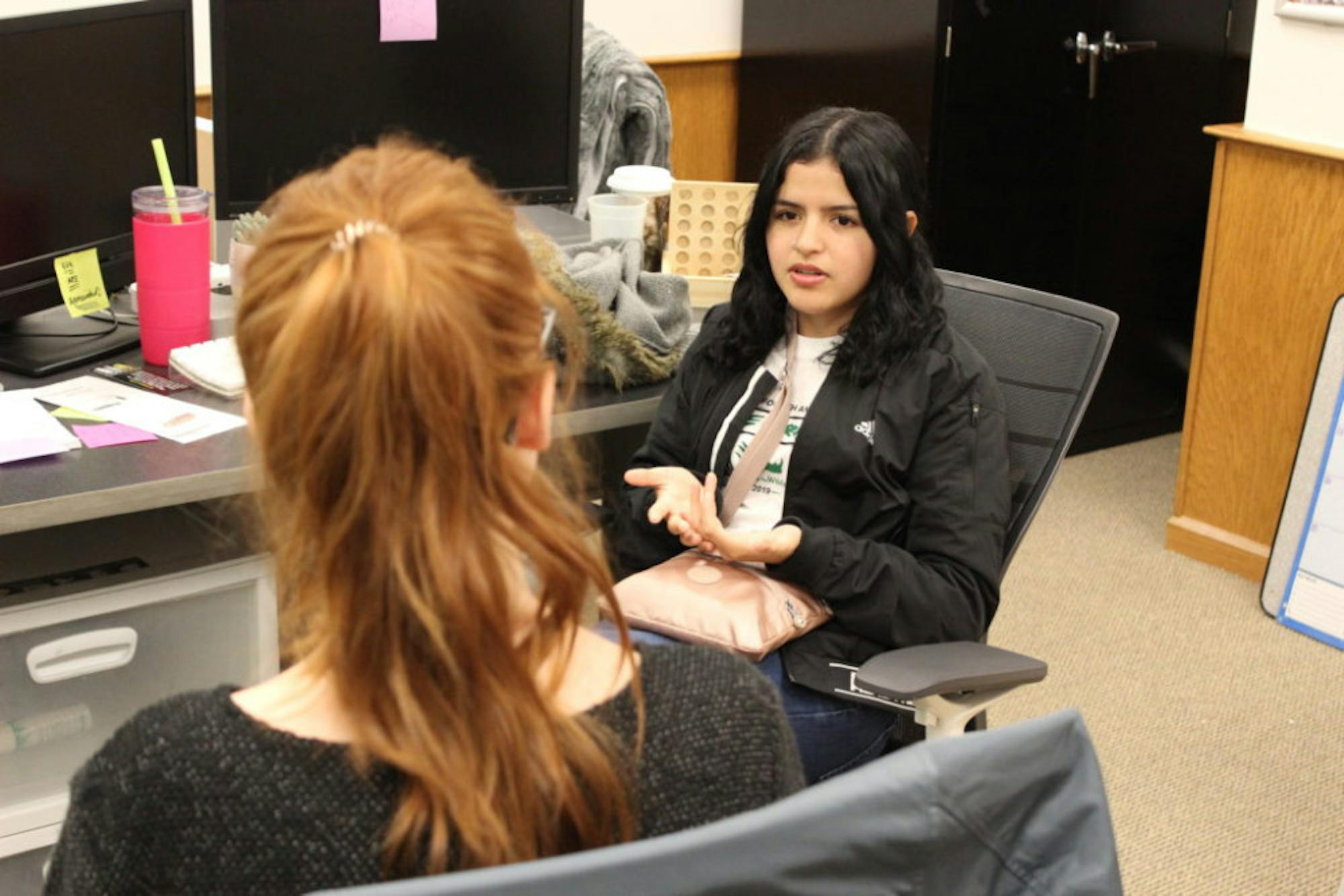
The group also benefits students. One goal for Food Recovery Network is to create awareness on campus about giving back to the community and those who are less fortunate. Students don’t have to be in the group to help and give back. Being aware of the issue helps Food Recovery Network to provide possibilities for students to get involved and help.
“I think [Food Recovery Network] will help a lot of students understand privilege and what it takes to earn even just a slice of bread. I think it’s also going to teach students to give back to people that are less fortunate as well,” said Jeff Shehee, social chair.
Future goals
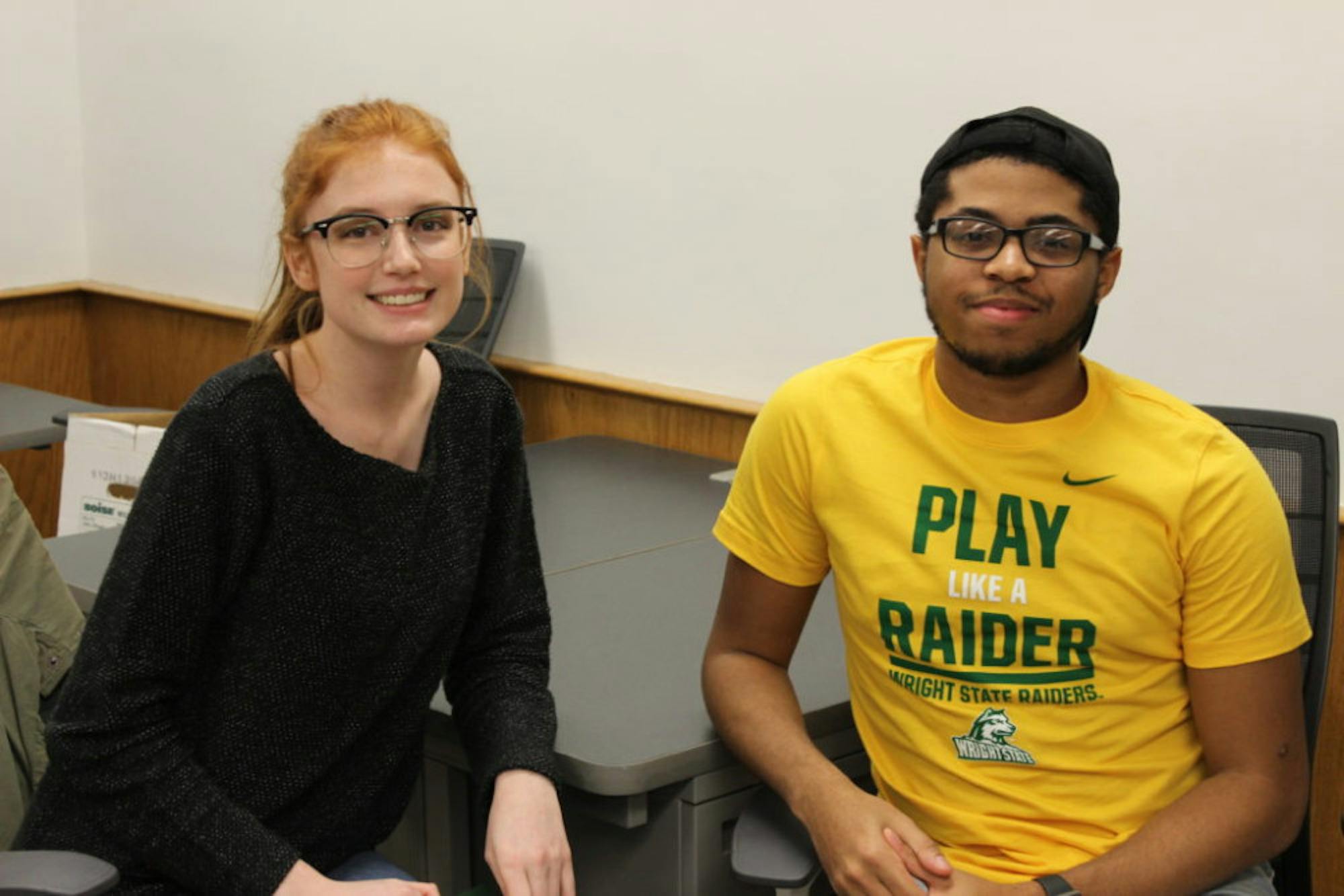
The organization was established this semester, so one of the major goals for the group is to gain more members who are as passionate as they are. If students want to join, they can contact the group through their Engage page. Several leadership roles are still open and next year the treasurer and vice president roles will reopen.
Another goal for the group is to do a full recovery, which is when they take a large amount of food from campus and donate it all to a local food bank.
“A future goal would be to get big enough to do recoveries at least once a week because I know most chapters do recoveries twice a week, but it really depends on how much extra [food] there is,” said Treasurer and Vice President Yesenia Boling.
For students who wish to get involved in a leadership position, contact either Mattu or Boling directly. This is a new group on campus, so new members will be part of the startup and have their opinions heard by the group.