[embed]https://www.youtube.com/watch?v=HLR641PdZdE[/embed]
Global Public Health Brigades (GPHB) is a non-profit organization working towards improving global health. It is an international movement led largely by university students who get involved with local communities in developing countries.
Their work consists of building projects that help improve living conditions. They have benefited over 2,000 families globally and have collected more than 60,000 volunteers since 2004.
“[Wright State’s] chapter is a community service organization who primarily goes to aid developing countries, such as Nicaragua, for the week between spring and summer semester,” said Kristie Dinh, Wright State’s chapter president. “During the year, we do many fundraising events and provide local volunteer opportunities as well.”
These events are known as “brigades” and focus on helping communities in Honduras, Ghana and Nicaragua. Last year, 21 students from Wright State’s chapter worked with El Sauce, San José, a community in Nicaragua. This chapter was the first to begin public health work in El Sauce.
“Our group was able to build sanitary structures for three different families in the community. We built latrines, pilas (water storage units), showers and dug pipelines for the bio-digester. This is what connected to the latrine,” explained Dinh. “Before, we had to build an entire cement tank for waste storage, which would last for around 20 years. The biodigester is much more efficient, as it lasts for 50+ years, and waste will be recycled as fertilizer to support plant growth.”
For 2019, Wright State’s chapter has been discussing a brigade in Ghana. Since previous brigades were successful, Dinh hopes the momentum continues and that the “brigaders will have an incredible experience in helping others, as they all have in the past.”
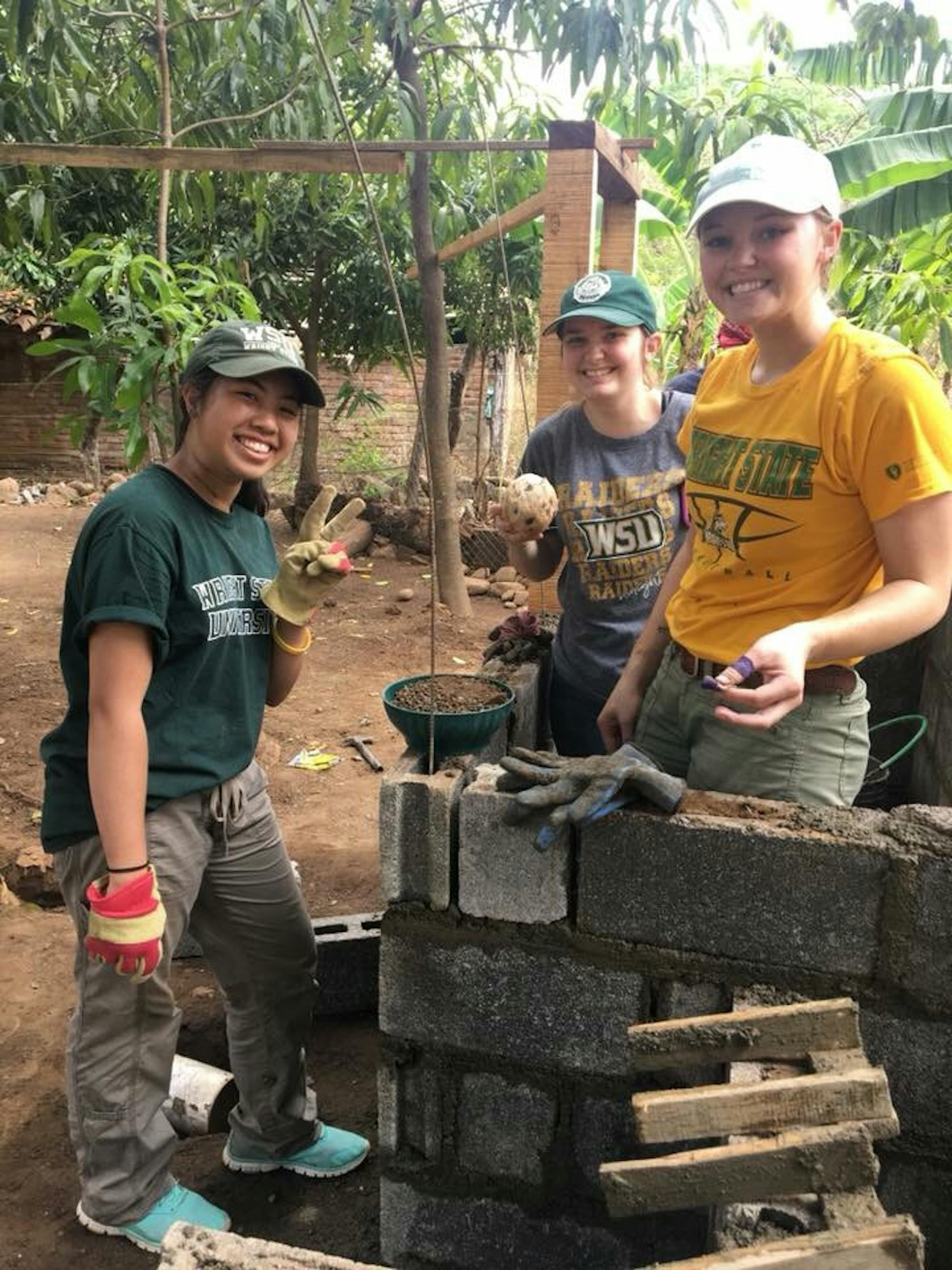
Apart from constructing concrete floors, latrines, eco-stoves and water storage units, GPHB implements clean water projects which focus on helping communities have access to clean water.
“In many of these developing communities, families have to walk for hours in order to bring buckets of clean water back to their homes. Through the use of the pila, community women are able to wash clothes closer to their homes. Toilets, showers and a place to store clean water are also made available through these projects,” said Dinh.
A quick search through their website will tell you everything you need to know, from learning how to donate or volunteer to university chapters affiliated with the organization. Learn more about Global Public Health Brigades at https://www.publichealthbrigades.org/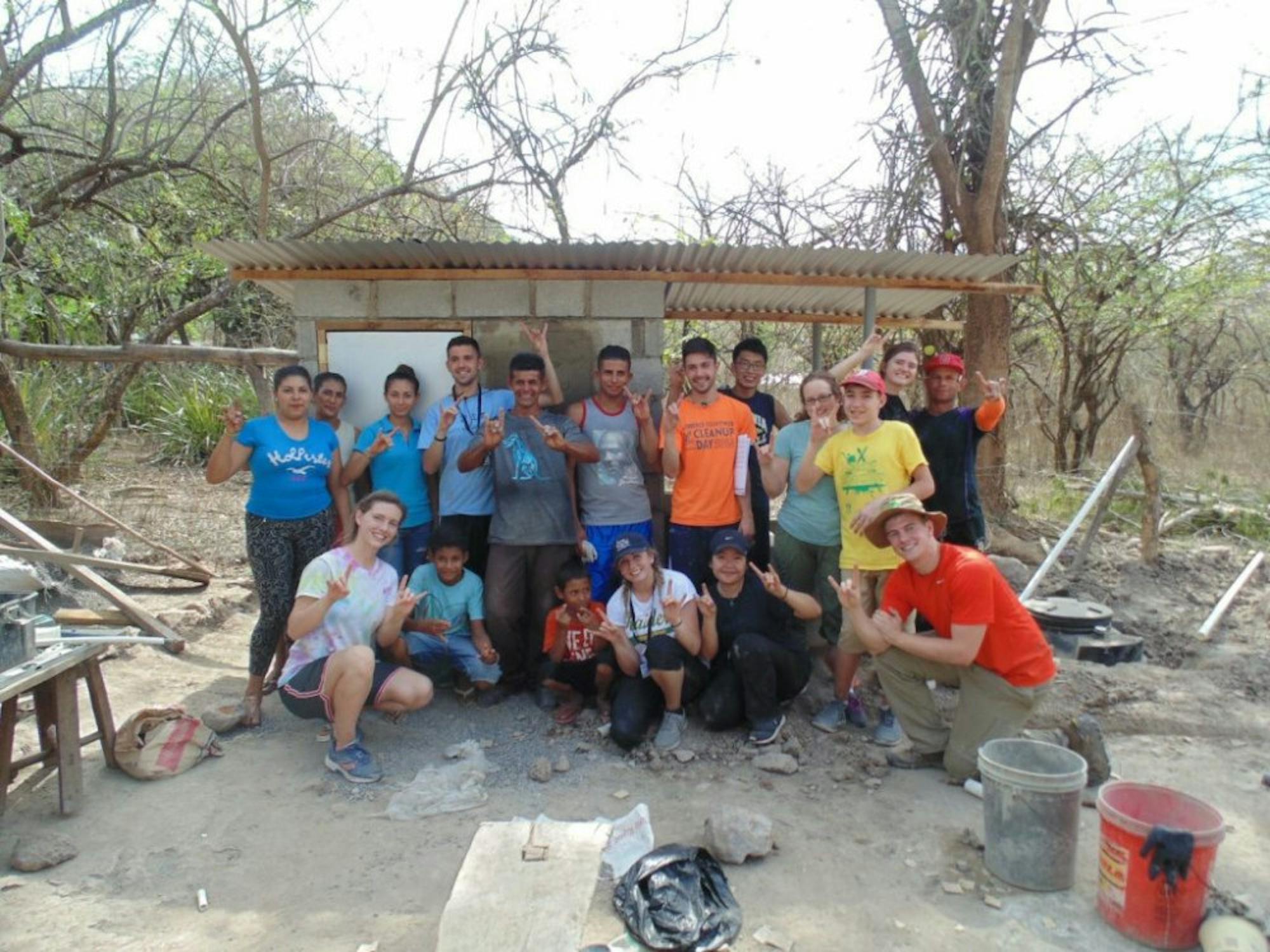

Organization Spotlight: Global Public Health Brigades
Global Public Health Brigade in Nicaragua 2017
Global Public Health Brigade in Nicaragua in 2017