

On Tuesday, Sept. 15, the House of Representatives voted for a third time to end the U.S. involvement in the war with Iran. The vote passed in favor of ending involvement with a 220-204 vote. Lawmakers confronted new estimates showing the conflict has cost at least $38 billion and depleted America’s defensive missile stockpiles.
The vote came days after a Congressional Budget Office (CBO) report concluded the war’s direct costs had reached at least $38 billion. The report also warned that U.S. inventories of defensive missiles have fallen so far that replacing them could take as long as five years under current production rates. That does not account for inflation-driven increases in costs.
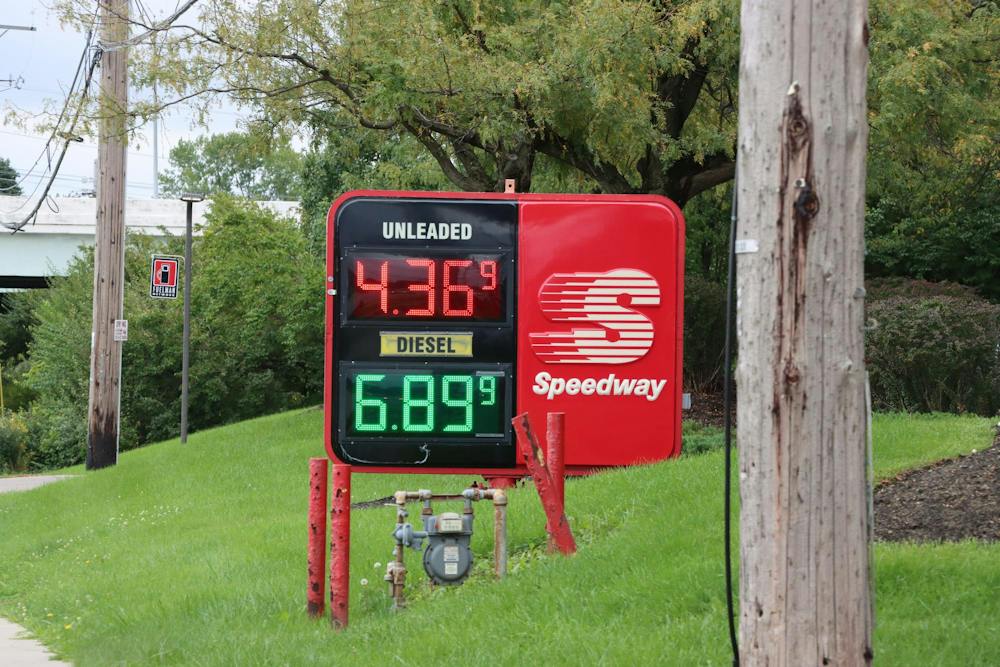
220 supporters of the measure argued that the financial burden and growing economic fallout were becoming unsustainable. With 204 democrats supporting the measure, 7 republicans joined this time around. Due to the war, aside from U.S. direct costs, cost-of-living, grocery prices and gas prices are spiking. The gas prices in particular, raising an entire dollar from $3.60 a gallon to $4.60 in the past two weeks.
Gas prices are rising due to escalating tensions in the Persian Gulf, with Brent crude oil rising from $64 per barrel before the crisis to a recent peak of $103.
The developments have been compounded by the Iranian regime claiming full control over the Strait of Hormuz and recently asserting control over the Bab al-Mandeb Strait. The Straits are two of the world’s most important maritime chokepoints. It is estimated that roughly one-third of global oil supplies must transit through one or both waterways which continues to disrupt the market.
The impact falls to the average citizen. One Wright State student, Paige Katicich, a Senior Earth and Environmental Studies major, feels the effect in full.
“As a student, I pay for tuition, all living expenses and that includes my gas to get to my job. This makes things a little harder when you already struggle to make your paycheck go so far and then have to pay double what you normally do to get to your job,” Katicich said.
The measure’s future remains uncertain. If the vote even gets past the Senate, President Trump is expected to veto it.
“I have to say…It’s a very inexpensive price to pay for what we’ve done,” President Trump said.


