
In 2021, the Wright State University (WSU) Board of Trustees approved a plan for faculty retrenchment. This plan, intended to "align with enrollment needs," was placed to help save money and keep tuition low. However, there are student concerns about how these retrenchment policies may affect them in the future.
WSU's President, Sue Edwards, is quoted in the original press release explaining that this decision is being made to ultimately benefit the university and its students.
“Certainly, this is a difficult decision for the university, and I assure everyone it is a decision we have not made lightly,” Edwards said. “We have for quite some time focused on alternatives to these changes, including two separate rounds of retirement incentives, a reduced reliance on adjunct faculty and an effort to reduce by attrition. Unfortunately, those efforts have not sufficiently reduced the size of our excess faculty workforce. The continuing enrollment declines require us to act further.”

Some students, such as graduate student Fern Lawler, are concerned about possible retrenchment due to faculty help with research and guidance.
“Graduate students rely a lot on faculty involvement for research, especially in certain fields. I worry for the students that may have their faculty retrenched and what that may mean for their research," Lawler said.
The faculty retrenchment plan was mostly voluntary submissions at the time. Affected faculty was given 18 month's notice and was given workforce support. Students who were enrolled during this time period were able to get their degrees and receive the support they needed. Since the original 2021 announcement, pre-emptive changes where made by the Board of Trustees and other faculty committees.
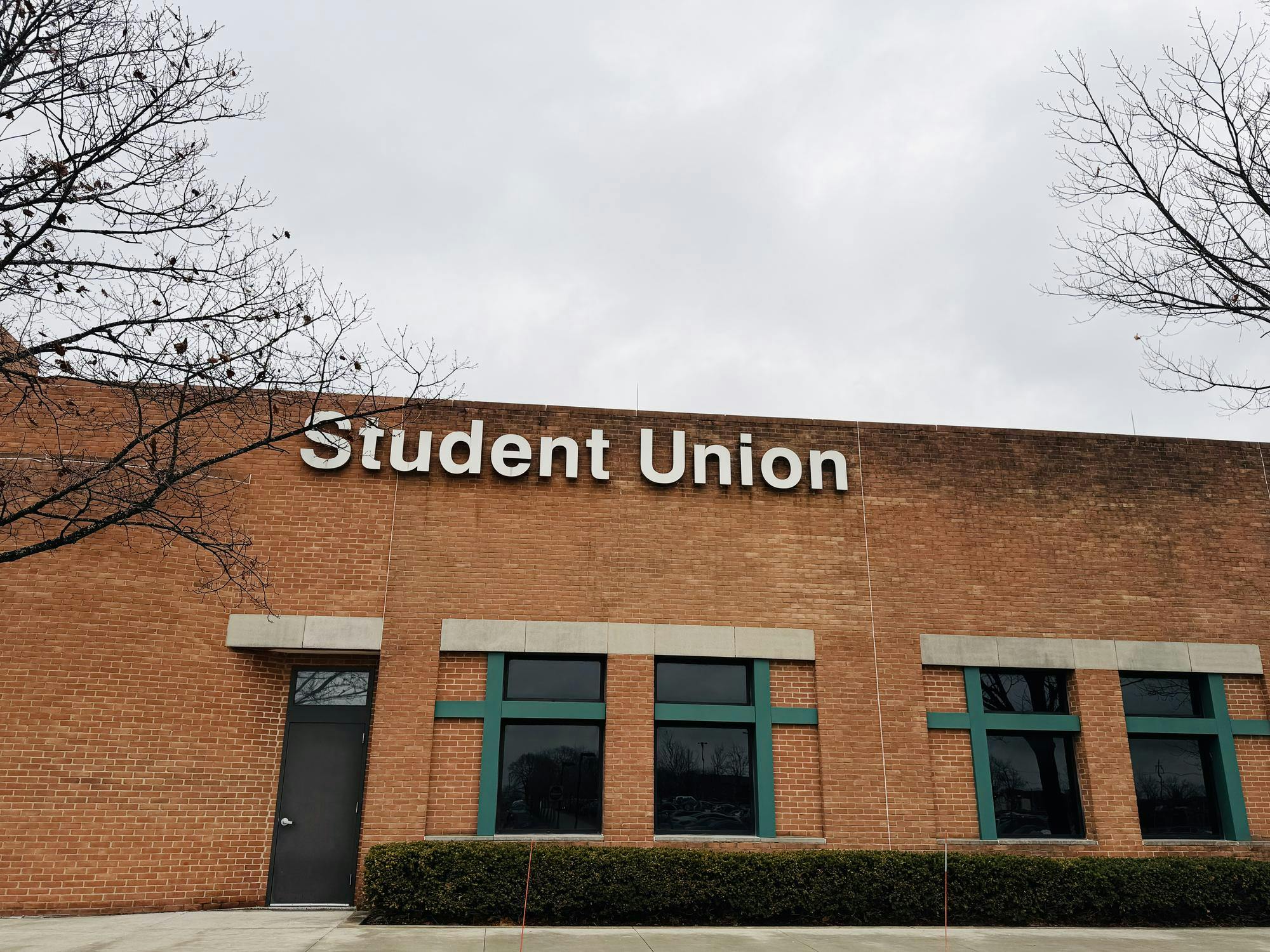
Conditional changes have been made by the Faculty Senate to the retrenchment terms. Some of these include allowing access to the affected faculty member emails for research purposes and allowing warning before retrenchment begins.
According to the Faculty Senate and Provost Jim Denniston should a faculty retrenchment occur, any affected faculty member will be give no less then a years notice.
“While policy states that this is at my discretion, the goal is to avoid it [retrenchment] through academic planning and the Faculty Senate,” Provost Denniston said. “I want to affirm that if retrenchment occurs, those who are affected will be given no less than one year’s notice.”
Since, 2021 reports have shown that WSU has received a perfect score from the Ohio Department of Education for financial health, which shows that there has been progress and fiscal stability. WSU has seen steady enrollment growth since 2021 as well. The enrollment percentage has grown 9.88% since Fall 2022 to Fall 2025. WSU has also been able to maintain it's record low tuition, ranking among the lowest of Ohio's four year public institutions.
WSU has continued to grow and show its care to students and faculty alike.