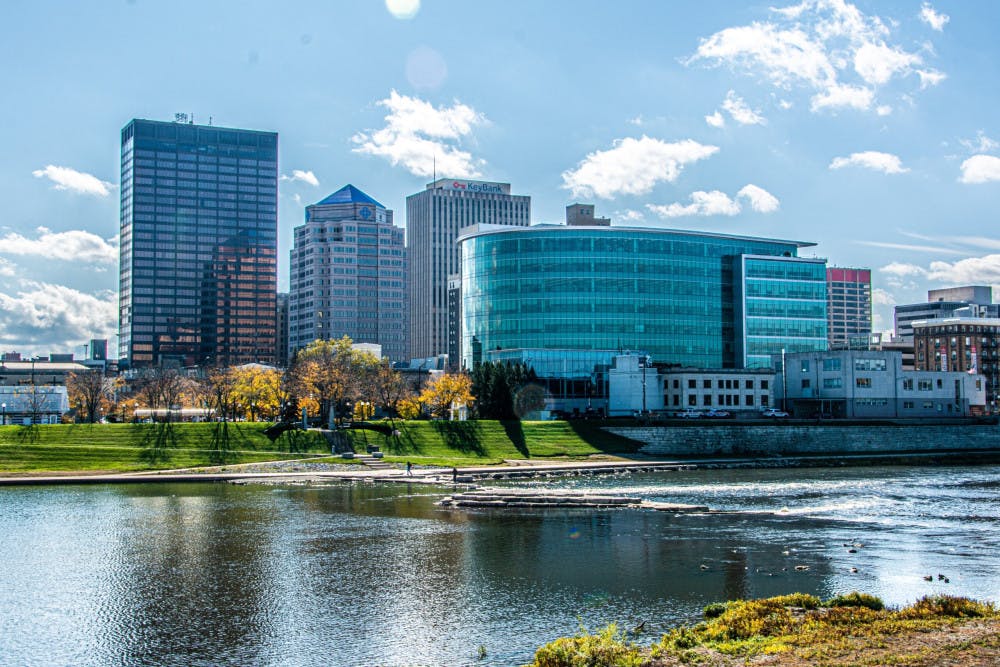
Three decades after the Dayton Peace Accords, Dayton is once again a crossroads of history. Whether its residents fully realize it or not, the city remains a global symbol of diplomacy—a place where peace was not just imagined, but achieved.
Global importance
Thirty years ago, world leaders descended on Dayton, Ohio, to negotiate an end to one of the bloodiest conflicts in Europe since World War II. At Wright-Patterson Air Force Base, diplomats from Bosnia, Croatia and Serbia signed what became known as the Dayton Peace Accords, a landmark agreement that ended the Bosnian War in 1995.
Now, three decades later, Dayton is once again drawing international attention. NATO leaders, diplomats and scholars are gathering here this fall to mark the anniversary of the accords, while local cultural institutions host peace-focused programs across the city. For Dayton, the commemorations are more than symbolic—they are reminders of the city’s enduring connection to global diplomacy.
Yet even with this renewed spotlight, many local residents remain unaware of Dayton’s global role.
A legacy often overlooked
Jessica Barnett, professor of social and political sciences, has noticed this disconnect firsthand.
“In general, I don’t think folks are aware of it,” Barnett explained. “Those who engage with these programs know they exist, but students who aren’t exposed often never learn about Dayton’s role.”
Her colleague, Liam Anderson, professor of social sciences, shared a similar observation.
“Eighty percent probably have no idea what it is. The knowledge is very slim," Anderson said.
Both professors see this lack of awareness as a lost opportunity. For them, the accords are not just a historical moment but a living lesson in conflict resolution—one that has direct relevance for today’s students and citizens.
Connecting past and present
Barnett stressed the importance of keeping the history relevant for new generations.
“Keeping history alive and telling the story matters. Young people can look at contemporary peace accords and think about how they, too, can engage with the idea of peace," Barnett said.
She believes that cultural programs—like the Dayton International Peace Museum or university-hosted forums—are crucial in sparking those connections.
Anderson agreed, adding that Dayton’s cultural diversity makes it a fitting place to study peace-building: “Dayton is more than half a small town, but it’s integrated culturally. Very often, these peace agreements gather people from all walks of life, and that’s something our community reflects too.”
By linking local programs with global conversations, both professors argue, Dayton has the chance to remind its own citizens why their city was chosen for such a historic role.
Why Dayton?
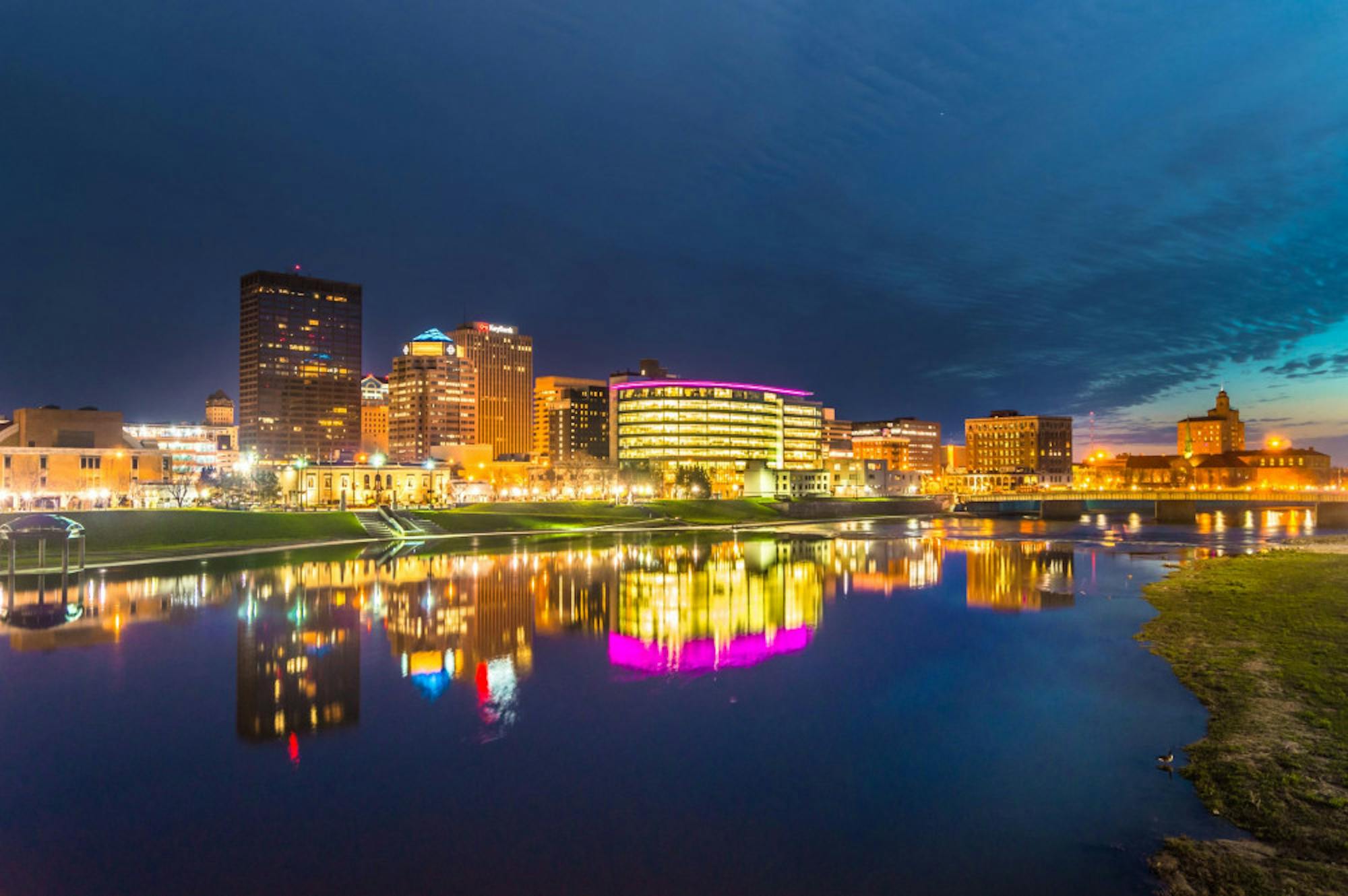
The choice of Dayton in 1995 was not accidental. While the city may not have the global profile of Washington or New York, it offered a unique mix of neutrality, accessibility and security.
“Dayton is one of the largest military bases in the country,” Anderson explained. “It’s encased in security, easy to get to, and less risk of national conflicts or assassinations.”
That safe and controlled environment gave negotiators the space they needed to work toward peace. In the end, Dayton became not just a venue, but a symbol: a reminder that meaningful diplomacy can happen outside the world’s traditional power centers.
Lessons for today
For Barnett, the core lesson of the Dayton Peace Accords is simple but profound: humanize the conflict.
“It is critically important for all kinds of conflict resolutions to see the person as a human, a character, with layers at the center,” she said. In a world still wracked by wars in places like Ukraine, Gaza, and Sudan, this perspective is urgently needed.
Anderson emphasized that peace processes must also evolve over time.
“You need to build into the program to allow the service to uproot from beyond,” he explained. In other words, peace agreements cannot remain static; they must adapt to remain functional as societies and conflicts change.
Investing in the future
Both professors also see opportunities for Dayton to renew its role in peace education. Anderson proposed a bold idea: establishing a Center for Conflict Resolution at local universities such as Wright State University or the University of Dayton.
“Students can major in political science anywhere, but such a center would put us on the map in a way that sets us apart. It would invest in the future long term, not only for the universities but also for Dayton itself," Anderson said.
Barnett echoed the importance of higher education but emphasized starting at the individual level.
“Cultivate nonviolence and peace in your life,” she urged. “Radiate this out into your interpersonal relationships. Engage with community organizations. There is no one right way—it’s what works for you.”
For her, peace-building is not just about international negotiations but about everyday choices—how people treat each other in families, classrooms and neighborhoods.
A global city with local roots
As Dayton welcomes NATO leaders and global diplomats back to its soil, the city faces a dual responsibility: honoring its historic role, while re-imagining how it can contribute to peace in the future. The accords may have been signed thirty years ago, but their legacy still speaks to today’s challenges.
For Barnett, it comes down to relevance: “The wish we have for peace is only alive if we keep it contemporarily relevant.”
Anderson agrees, believing Dayton has the chance to step into a new chapter of leadership in peace education.