When Escalajah Draper moved into her Honors Hall dorm room last August, she was excited to start her first year at Wright State University. But what began as a hopeful chapter quickly turned difficult, as she faced months of housing issues that impacted her health, safety and peace of mind.
January
Freshman Escalajah Draper, a biochem and molecular biology major, moved into her third floor honors hall room in August 2024. Little did she know, her new home would become the scene of a horror movie as she battled growing mold, a failing heating unit and being electrocuted.
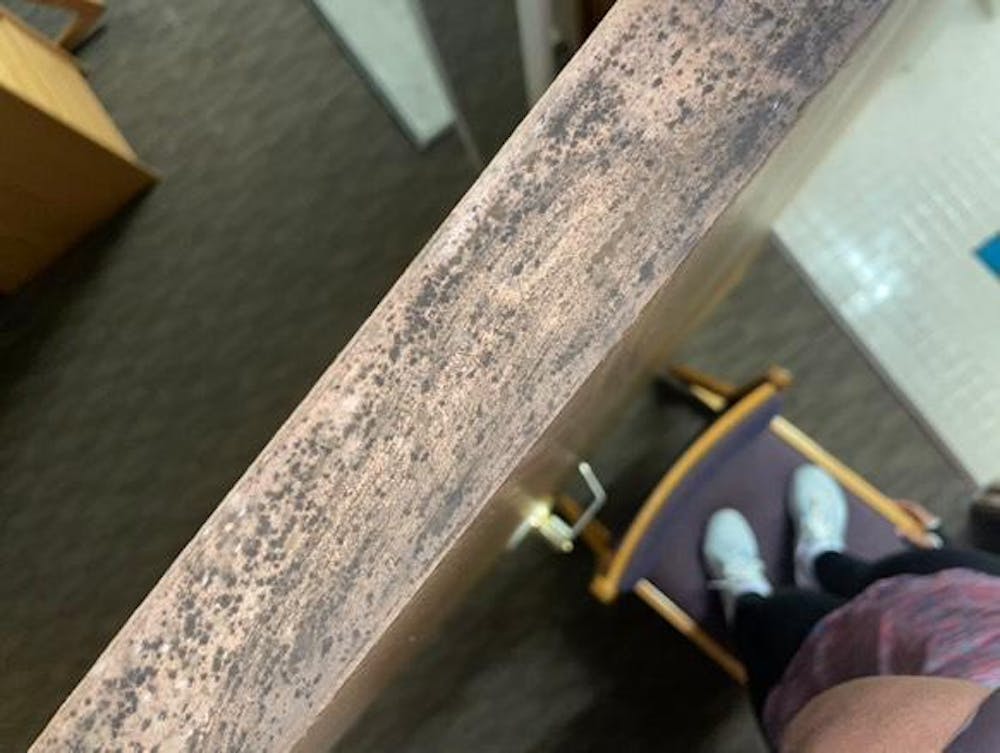
While Draper had some struggles with her room in the fall, after winter break the nightmare really began. Draper returned from winter break to find mold growing on her bathroom door and the wall above her door. She alerted housing right away.
"[Housing] kept me in that room for four days with the mold," Draper said, speaking about finding the mold for a second time in January. "It was so bad last semester that [housing] actually stripped the paint off the walls using paint thinner and they repainted the door frame, and they even fixed the fan too inside the bathroom," she added.
According to the CDC, mold can cause a stuffy nose, sore throat, coughing or wheezing, burning eyes and/or skin rash. People with weakened immune systems may develop lung infections due to mold exposure.
Draper, who has a cauterized nose, experienced multiple nose bleeds and congestion.
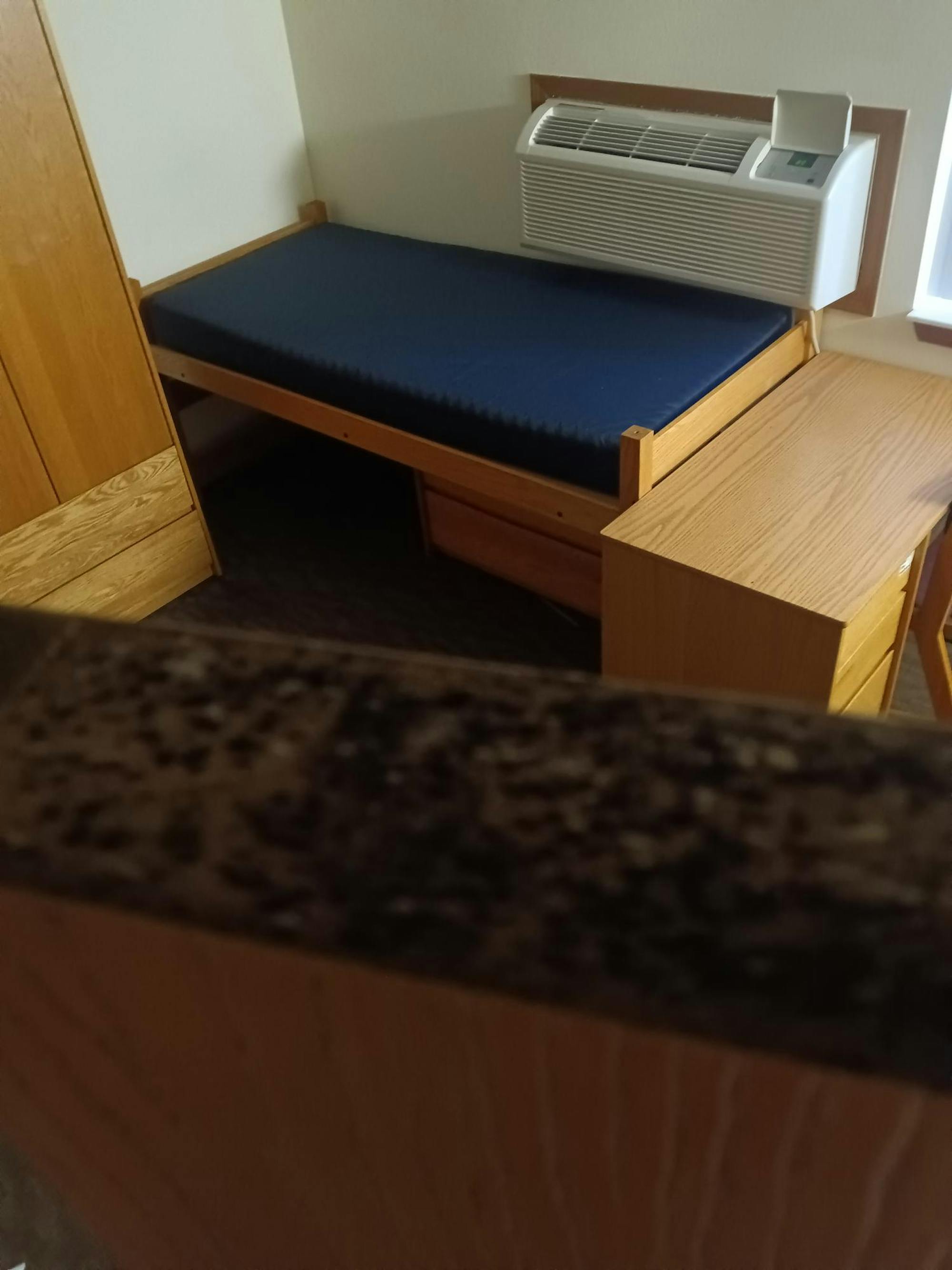
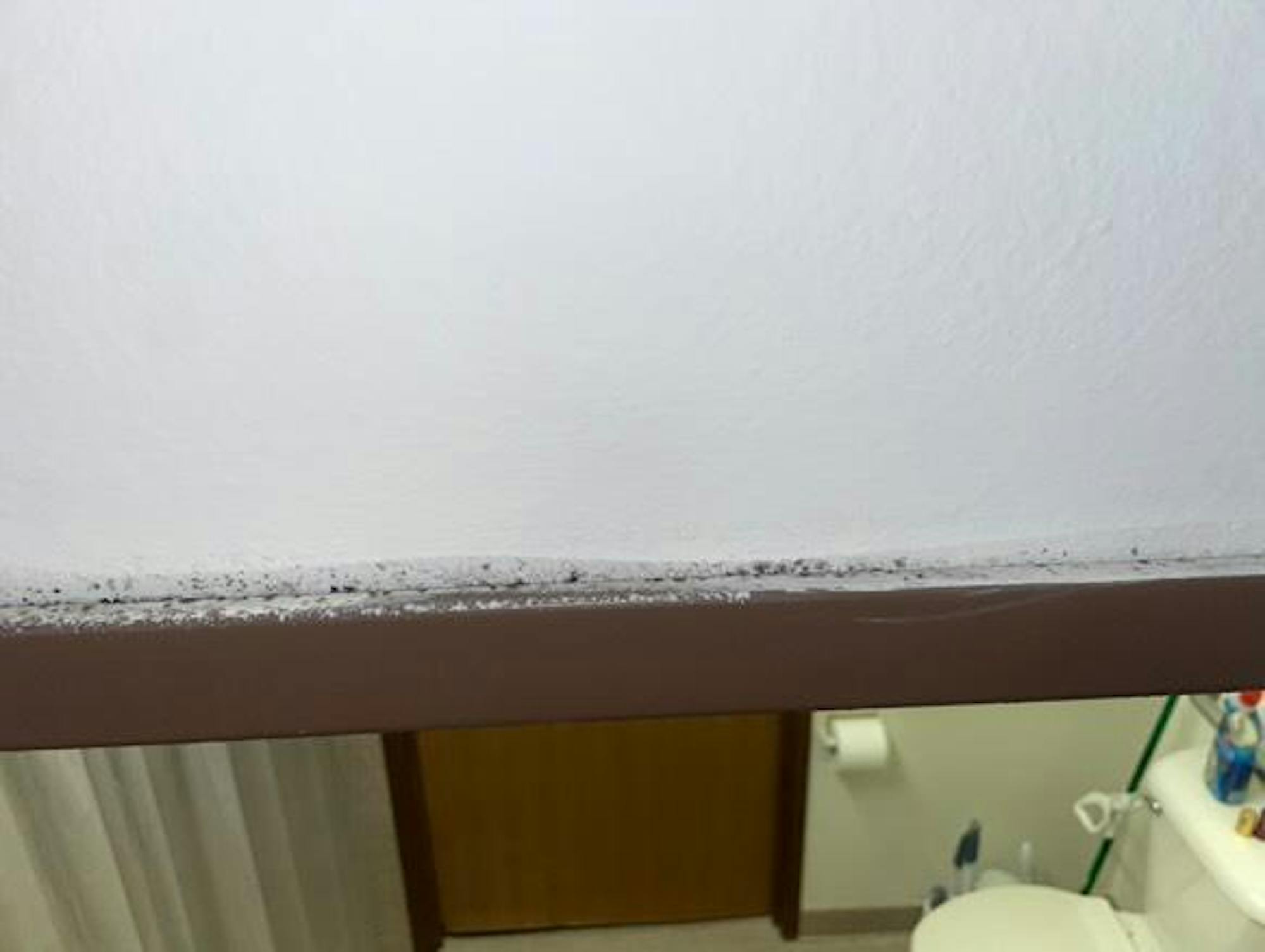
After those four days, Draper was placed in a temporary room. She was expected to move back into the original room after housing serviced it. A scrubber was placed in the room to get rid of the moisture, and housing notes that a mirror Draper had over the bathroom door was causing the discoloration.
Facilities Administrator for Crawford Hoying, the property management company for WSU Housing, Gina Birdsall asked Draper in an e-mail on Jan. 29 to return the keys to the temporary room by 4 p.m. the following day.
However, Draper still found mold in the original room. She decided to not move back and spoke with the RA on Duty and Honors Hall Community Director Bri Ferba about staying in the temporary room.
Birdsall followed up on Feb. 3, writing: “If the keys are not returned, the lock will be changed, and a lock change fee will be assessed to your bursar account.”
Draper responded:
“I am still inside of [the temporary room] due to the fact there is mold still on the door. … You guys did not listen to me and instead insisted that the mirror was causing the paint on the door to scratch,” she wrote, attaching photos of the mold. “The RA on duty at the time took photos and said they would submit them to Miss Bri last week.”
Draper eventually contacted Dean of Students Eric Corbitt for help and was granted permission to remain in the temporary room for the remainder of the semester.
"I had to run around and try and get the Dean of Students, the Ombudsman's office and the City to come out to the room," Draper explained. "It took the Dean to interfere and say that I could stay inside the [temporary] room for the remainder of the semester," Draper said.
Problems persist in temporary room
After fighting to stay in the temporary room, Draper continued to face housing issues.
"And housing, I don't think they are very pleased with me because in the first night in the temporary room the heater went out," Draper said. "And then a few weeks after that, I turned on my light switch and I was electrocuted by it. Just by turning on the light switch."
"It went all the way up my arm and caused my hand to swell, which was nice," Draper added sarcastically.
Draper once again contacted housing. She continued to have more problems with the new room.
"It was raining one day and the rain water comes through the window...There are six floors of this building and I was going around collecting towels. I was borrowing people's towels because housing did not give me towels despite me putting in a maintenance request two days prior before the leak got worse," Draper continued.
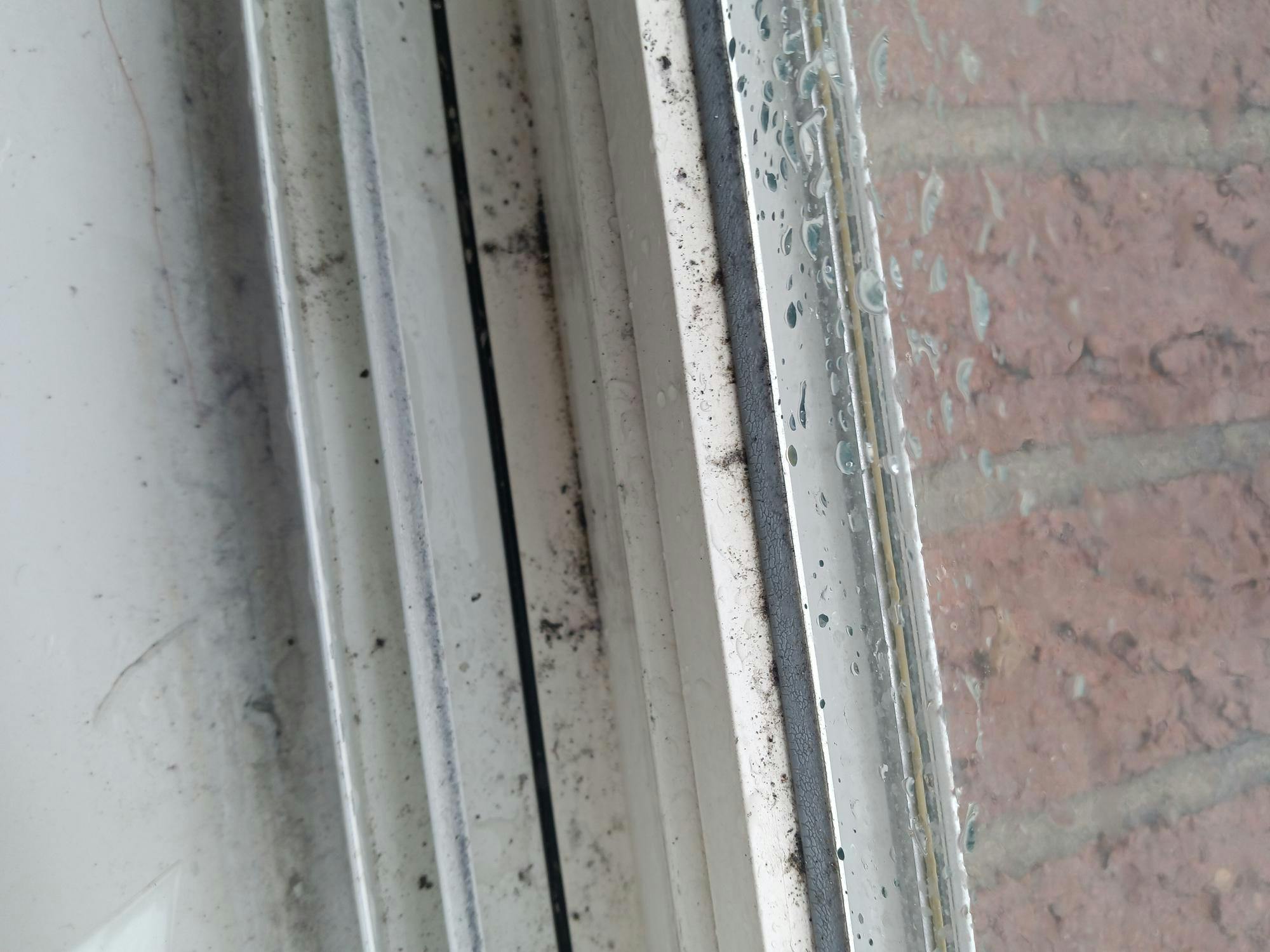
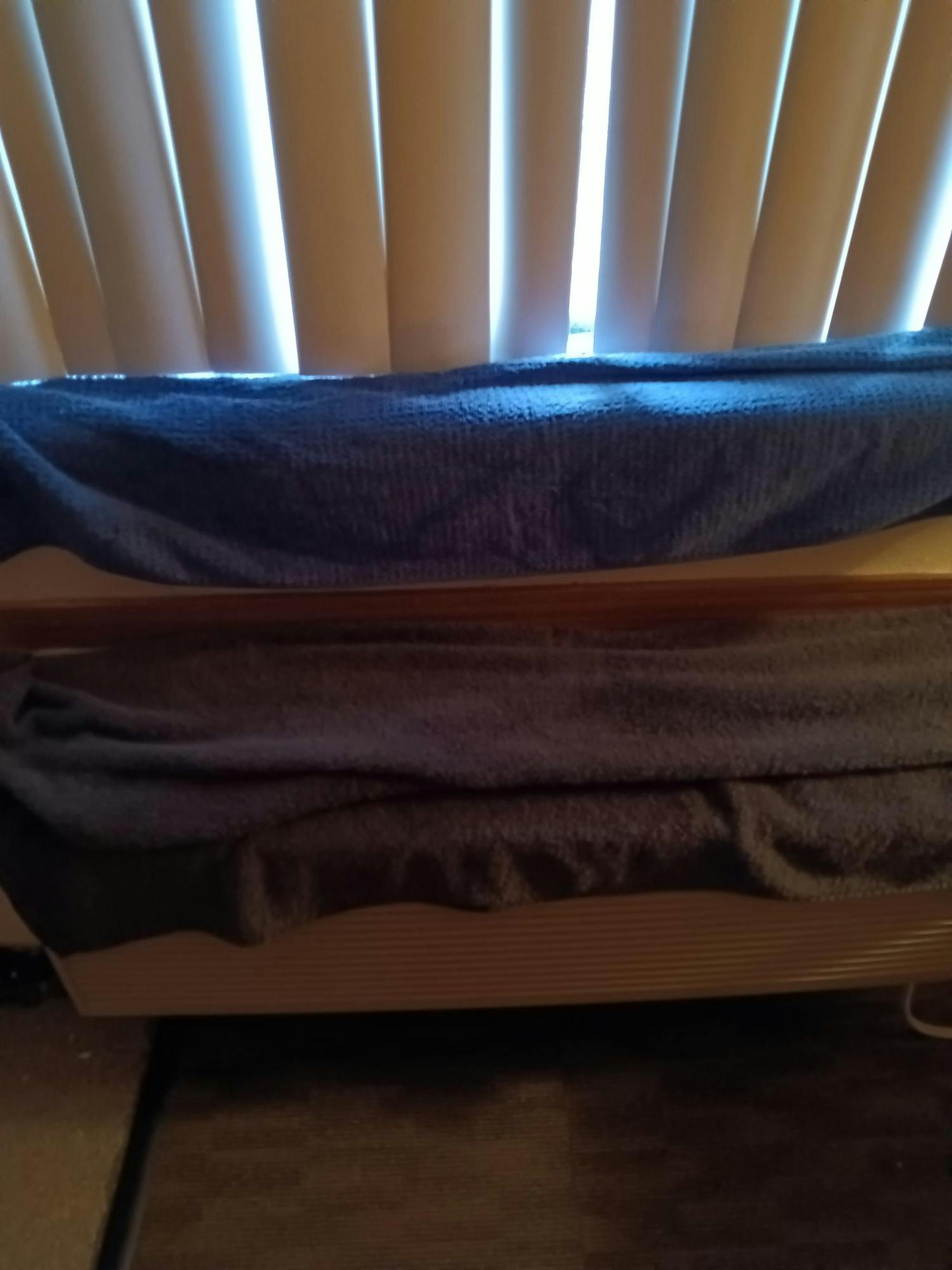
The water was leaking all over the heater, which was already on the fritz. A space heater or an alternative solution was not provided to Draper; instead, she had to borrow a space heater from a friend, who was also experiencing issues with her heating unit.
"This is where the story kind of gets upsetting, because I went to go turn on the light switch again, and this time I get cut by the electricity. I still have the scar on my finger too," Draper said. "After that, I e-mailed the Dean and I put in an emergency maintenance request for it. Housing did not come out for that light switch until a week and half later, despite the Dean of Students getting on them and telling them to come out."
On March 21, Birdsall emailed Draper to summarize the work completed on March 20:
"Today, our service manager took a look & after evaluating the light switch, he felt it was best to install a new switch. He also installed a new heating/cooling unit as a precaution. Additionally, he inspected the window. In doing so, he determined that there were several areas of concern related to the window including the window itself; the window pane seal seems to be compromised and there were some areas of concerns around the frame," the e-mail reads.
"It is very possible the window will need to be replaced, we will engage with our vendor for this long-term solution (generally, there is a bit of a lead time for windows, as they're all custom measured/made to spec.). In the interim, we used silicone to seal around the areas that he felt water could penetrate, this should greatly reduce the amount of water that could possibly enter."
Two rooms, two charges
Despite getting permission to stay in the temporary room, Draper was charged for the second room.
Unable to register for classes until her housing balance was resolved, Draper e-mailed Birdsall on April 22 seeking a conversation about possible compensation.
"I am emailing you because of the housing situation I faced this semester. The window is fine now [and] I'm very grateful that you guys were able to complete it in a timely manner and even had the service men come out to clean the mold in the room. With all of the issues I have had in the temporary dorm and my actual dorm, I think we need to talk about compensation from the room as it was impacting my health and well being," Draper wrote on April 22.
She received the following response:
"While I understand you have experienced unanticipated issues in your room, we believe our staff has been very diligent at responding to the issues you reported. Work orders were assessed on the same day they were received and completed shortly after. We also engaged with outside vendors to remedy your concerns.
On January 26th you were given access to a super single room in Honors, which costs $4,306 per semester compared to $2,657 that you were billed for your double room. You have had keys and access to both rooms since that time, which prevented us from using either of them to assist other residents. The cost associated with the double room for spring semester plus the prorated super single rate (amount from January 26th to the end of the semester) comes to a total of $6,360. Compared to what you were billed and paid, you received $3,703 in free housing for spring semester.
That amount is significantly more than any compensation we have provided. This is in addition to the $100 credit that was issued in fall semester and $50 spent on dry-cleaning a pair of shoes.
After discussing the situation with my supervisor, we feel that more than fair compensation has already been disbursed."
Impact of unstable housing
When asked how Draper was handling the semester, Draper said her experience has taken a toll on her well-being.
"My health was declining. I was stressed and I couldn't sleep or eat which resulted in a lot of headaches," Draper said.
Draper also said other students have also faced issues in Honors Hall, including a friend who discovered bed bugs during move-in.
Despite everything, Draper hopes her story will inspire change.
"I don't want the incoming students to have to deal with this either. I see people walking [around campus] and I keep saying Go Green, Go Gold! But at the end of the day if they want to stay on campus and paying all of this money for living inside these dorms and these dorms are not up to par, they can't focus [on academics] because their living situation is bad," Draper explains.
Corbitt said that the University is committed to improving the student experience.
"We want every student to have an excellent experience, but issues do arise from time to time. Anytime a student comes forward with a concern, whether small, systematic, or perceived, we'll do whatever we can to find a solution. We're always looking for ways to improve processes and services," Corbitt said.