
Wright State University (WSU) was awarded a $3 million grant by the U.S. Department of Education. This grant was used to create the Civic Literacy Program, with the goal of providing civic literacy access to underserved communities.
This grant was awarded by the U.S. Department of Education with the goal of improving areas in need. The project, "Civic Foundations: equipping K-12 for America's Next 250 years," aims to promote the knowledge of rights and responsibilities as citizens and to teach educators how to approach this in the classroom.
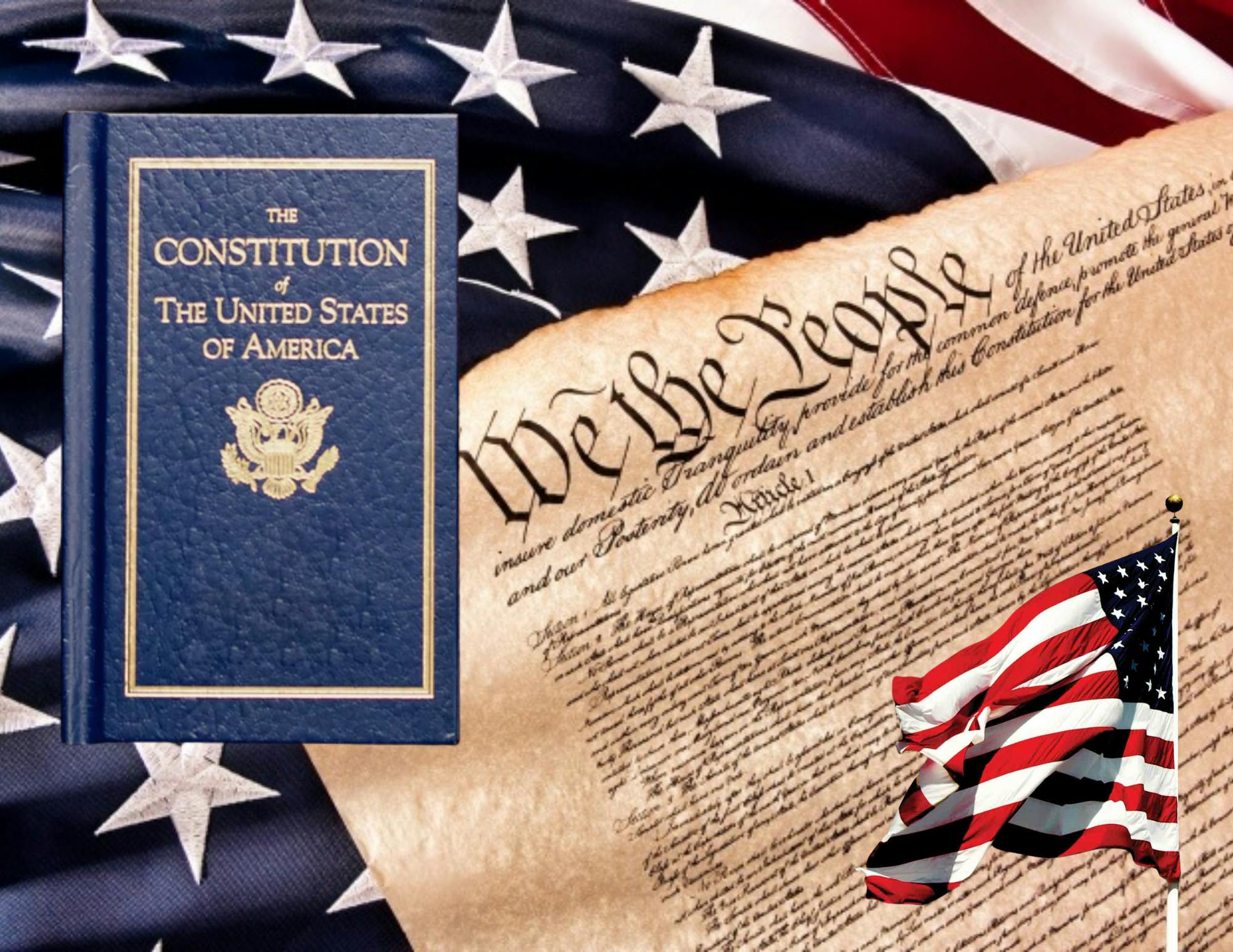
The project defines civic literacy as the base knowledge of rights and responsibilities of the American people. Currently, the project is serving 16 counties in Southwest Ohio. The goal of the project is to bring a group of like-minded educators to promote civics learning. According to Dr. Jason Anderson, this network is important due to an overall lack of civic education for educators.
“Many K-12 teachers have had limited formal training in civics, which can make civics instruction feel difficult to teach with confidence,” Anderson said. “Through the Civic Foundations federal grant, we are providing continuing education seminars and related civics programming for K-12 educators across Raider Country, the 16-county region [WSU] primarily serves."
The project's learning will be done through seminars, as well as formal and informal training for K-12 teachers. According to Anderson, the goal is to provide the tools for a fool-proof civics education.
“Our goal is to equip educators with high-quality civics content and classroom-ready resources they can carry back to their schools and pass on to the next generation,” Anderson said.
To combat the business of teacher schedules, the project plans to outreach through pre-scheduled professional development days, provide no-cost materials to incentivize teacher participation and offer weekend or night training.
According to the WSU Center for Civics, Culture and Workforce Development (CCWD) and Deputy Director Dr. Mike Jacobs, this is an important step, as accommodating busy schedules incentivizes teachers to access resources.
“Our approach is designed to remove logistical and cost barriers so that baseline civic knowledge is not limited to a subset of schools or communities,” Jacobs said.
The CCWD is currently working with nonprofit organizations and hiring employees as school liaisons to further word of mouth. Jacobs claimed these partnerships are beneficial, as they put the project in the forefront of classroom civics conversations.
“These partners can help us reach teachers through established distribution lists, professional networks, and educator-facing communication platforms,” Jacobs said.
Created in 2024, the CCWD aims to promote civics and culture education as well as help students develop for workplace environments. According to their mission statement, they work with outside partnerships to promote civic responsibility.
“The [WSU CCWD] exists to cultivate civic responsibility, cultural understanding and workforce readiness with a strategic focus on our defense community. To advance intellectual diversity and upholding the principles of free inquiry, where a vibrant exchange of ideas fosters personal growth, civic responsibility and societal innovation," the mission statement reads.
The CCWD is currently working on this project alongside other degree development for future WSU students.
“Every citizen benefits from knowing their rights, understanding the context of those rights and having the foundational knowledge to participate effectively in civic life," Jacobs said.